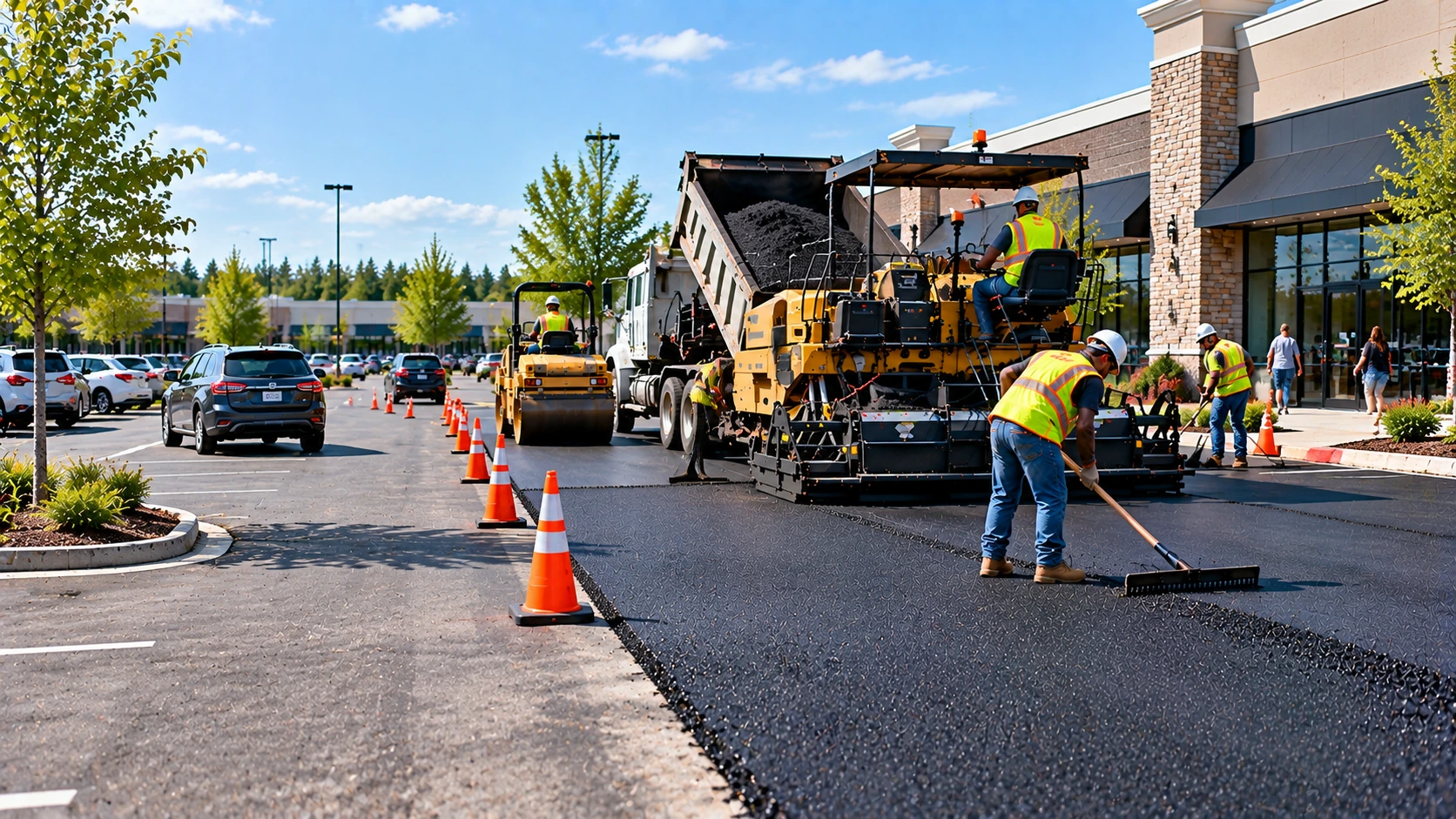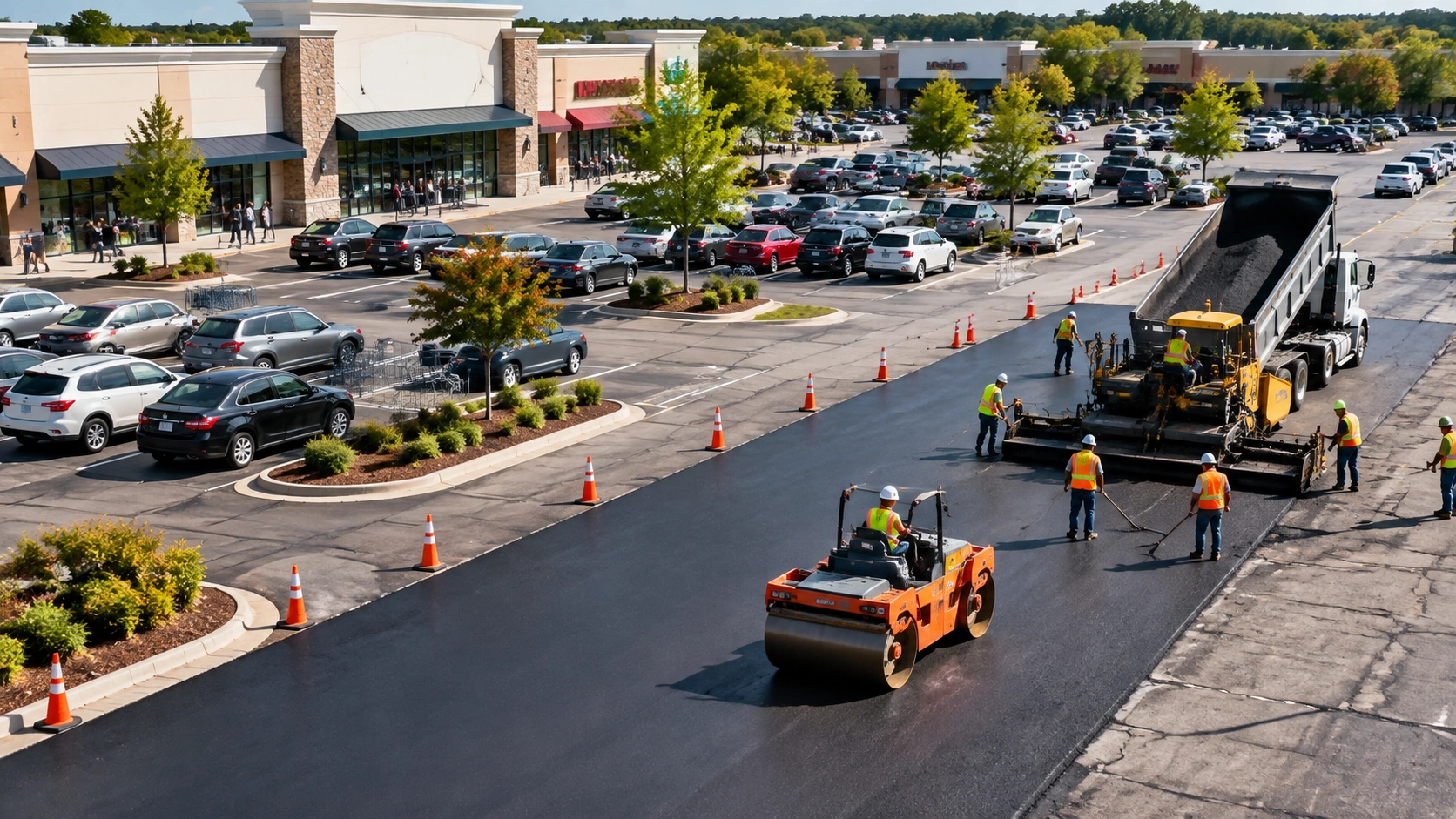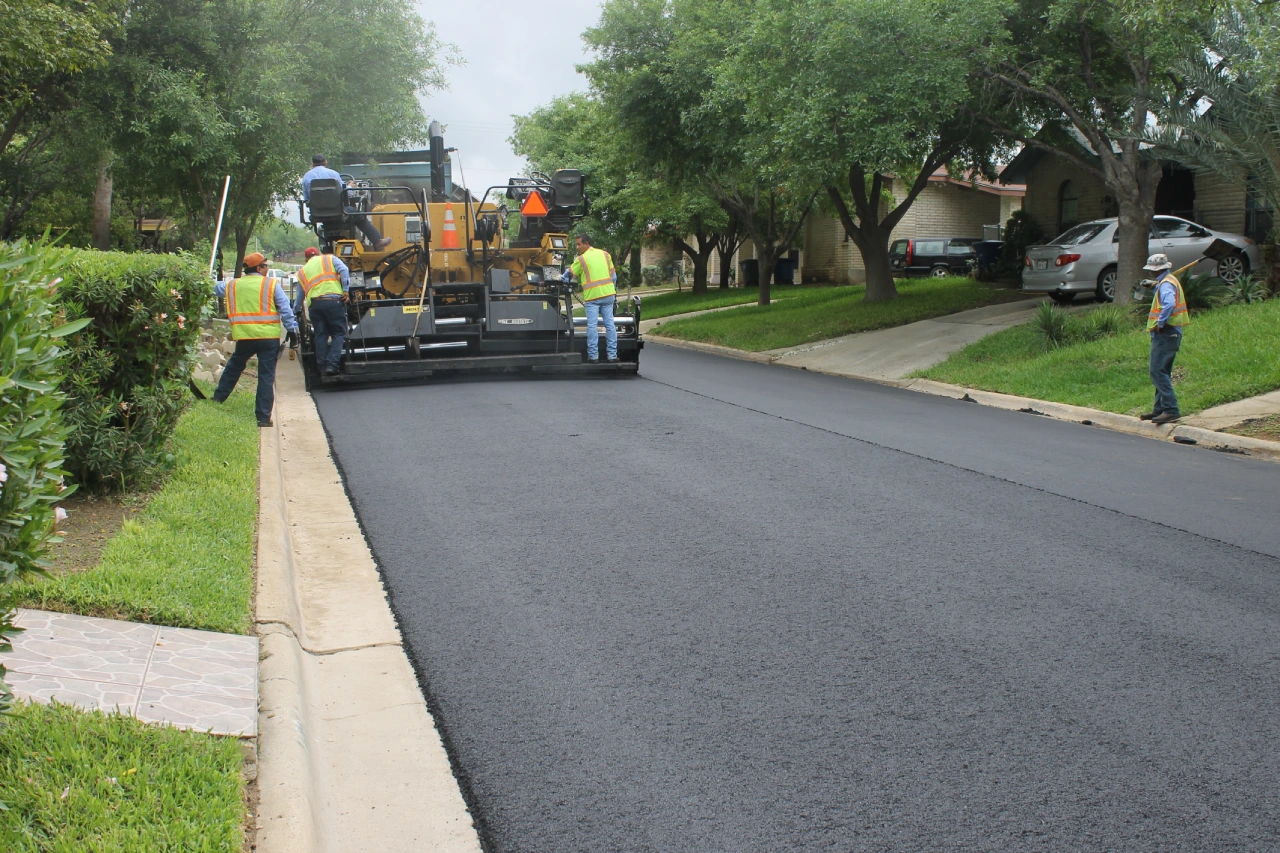
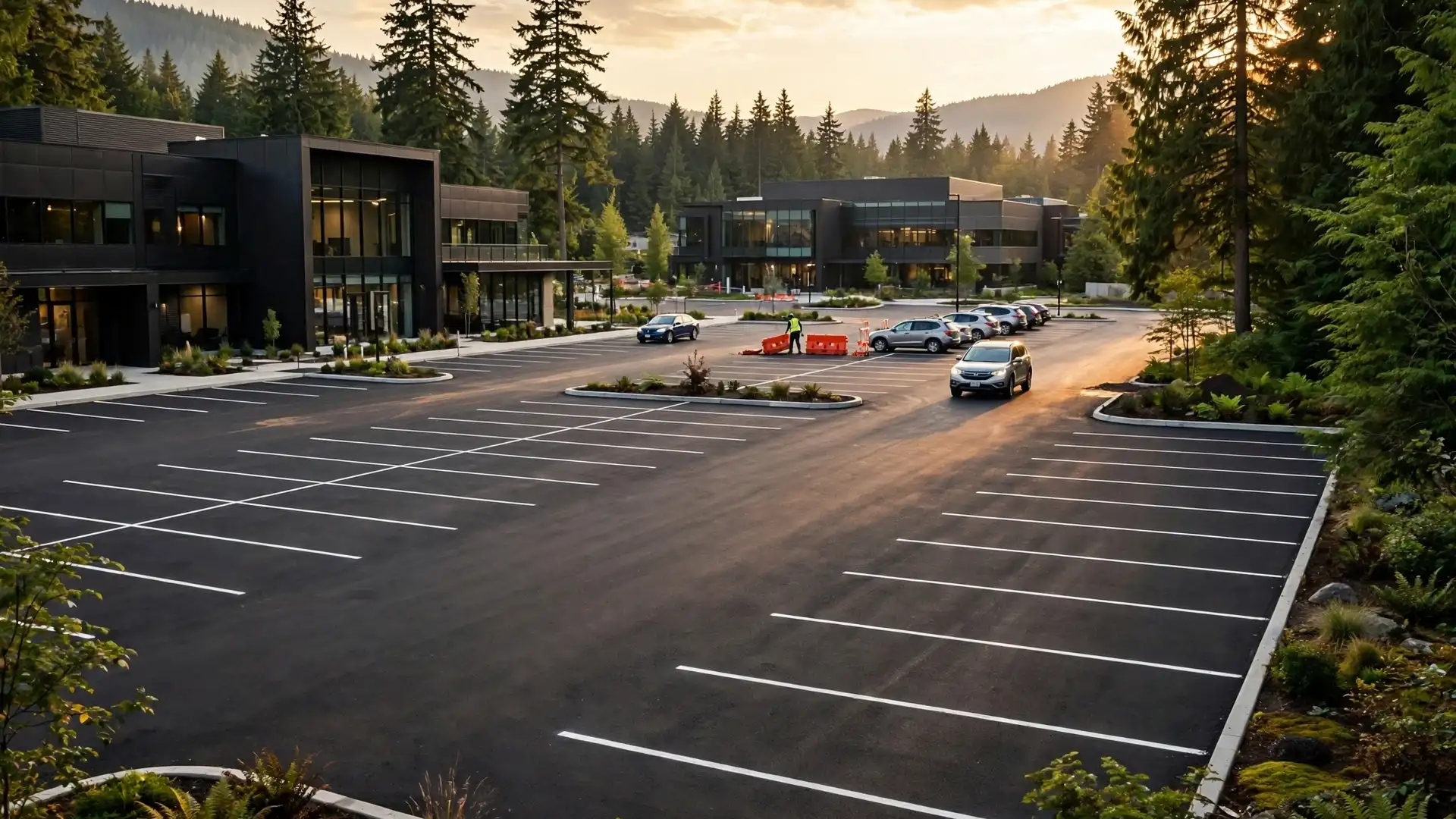
New asphalt parking lot reopening time depends on cooling, completed compaction, vehicle loads, and the contractor’s approval. Some asphalt pavements can accept traffic within hours of final compaction, but a commercial lot may need a longer closure or restrictions on particular uses. No single waiting period clears every parking space and truck route.
For a property manager, the useful answer identifies which entrance can open, where customers can park, and when deliveries can resume. Those decisions should be part of your commercial parking lot paving plan before installation begins.
How Soon Can Cars Use a Newly Paved Parking Lot?
Cars can return when the completed pavement has cooled sufficiently for the intended traffic and the contractor has released that area for use. The National Asphalt Pavement Association identifies proper compaction and cooling as the basis for opening asphalt pavement to traffic.
That makes same-day reopening possible on some projects. It does not establish a same-day promise for your property. A freshly paved parking aisle, customer parking stall, and entrance still being finished can have different restrictions.
Before inviting customers back, ask whether approval covers driving through, parking, or both. Also confirm the approved entrance and exit. An available parking area is not useful if reaching it requires crossing pavement that remains closed.
Is Waiting Until the Next Morning Enough?
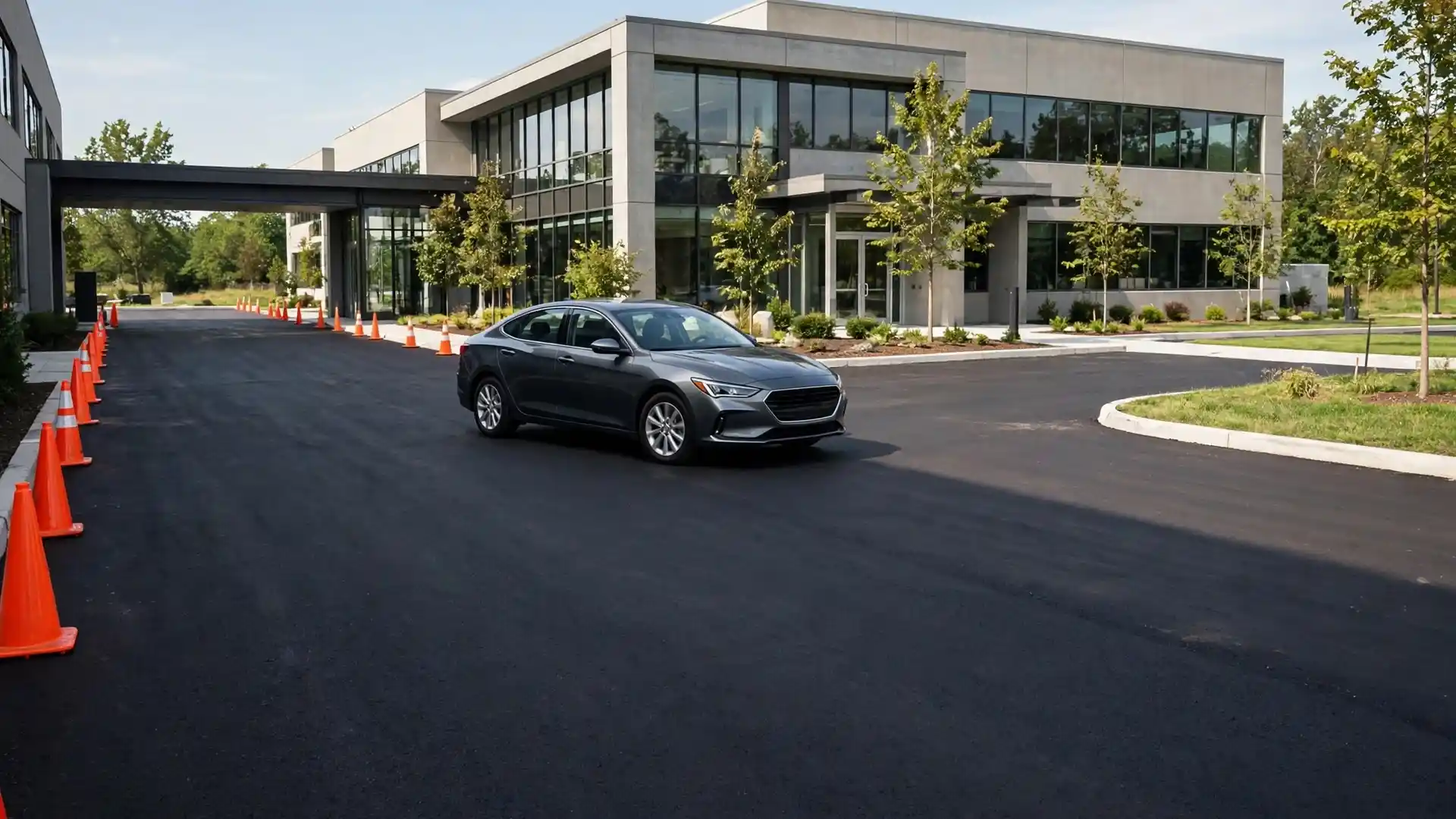
Only if that matches the contractor’s release instructions. An overnight closure is a scheduling arrangement, not a test of pavement readiness. If paving finishes later than expected, ask whether the planned opening still applies before staff remove the barriers.
Does an Open Drive Aisle Mean Cars Can Park Anywhere?
Do not assume so. Have the contractor identify any restrictions on stationary vehicles and specific parking rows. Communicate those instructions to employees who may arrive before the property manager or paving supervisor.
When Can Trucks and Delivery Vehicles Return?
Truck access needs confirmation for the actual vehicle, route, and activity. A parcel van, loaded box truck, refuse truck, and tractor-trailer do not place the same demands on pavement. The Connecticut Department of Transportation’s parking lot guidance distinguishes passenger-car facilities from areas carrying frequent heavy vehicles and prolonged stationary loads.
Ask the contractor to review what the truck will do after entering. Will it drive straight through, reverse into a loading bay, turn sharply, or remain parked while unloading? Give them the expected loaded weight or vehicle details where available.
Can a Truck Use the Lot If Cars Are Already Using It?
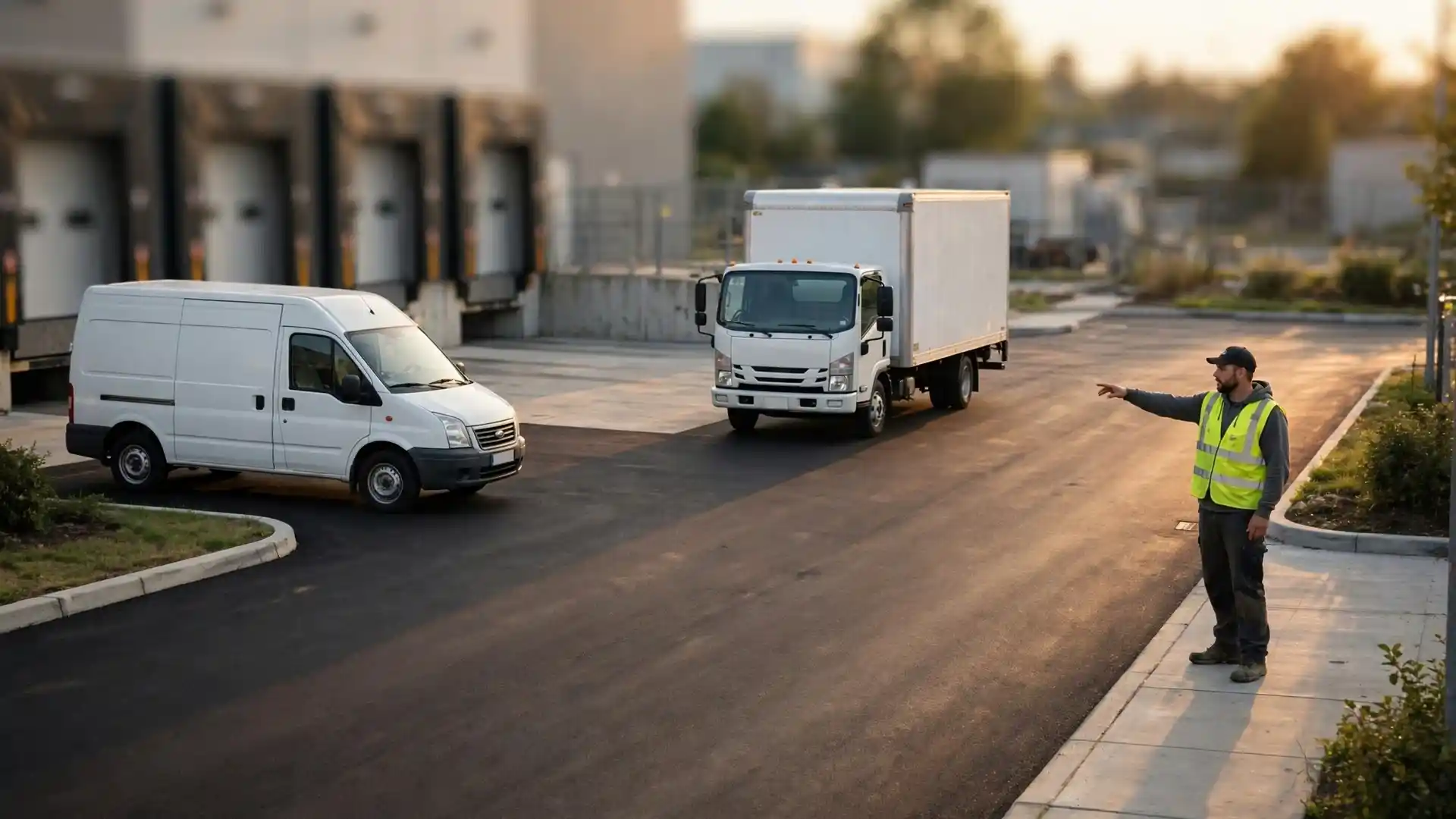
Passenger-car approval does not establish truck approval. The route must be suitable for the heavier load, including the entrance, turning area, and unloading location. Additional waiting cannot make pavement designed for lighter use suitable for every heavy vehicle.
What About Trailers, Dumpsters, and Equipment Supports?
Trailer landing gear, jack stands, and other small supports concentrate weight over a limited area. The Asphalt Institute explains that resistance to indentation depends on the pavement structure, mixture stiffness, temperature, load, and how long that load remains in place.
Keep these items off the new surface until their placement is approved. Ask whether an existing hardstand, designated pad, or professionally specified load-distribution arrangement is needed. Do not treat a loose board as automatic protection.
What Changes the New Asphalt Parking Lot Reopening Time?
The contractor needs information about both construction and intended use. A timetable borrowed from another property may involve a different pavement system and different loads.

Asphalt Mix and Temperature
Asphalt binder becomes stiffer as it cools. Binder properties, aggregate characteristics, and mixture temperature affect how the pavement can be compacted and how it behaves. Surface appearance alone does not establish that the entire layer is ready.
Weather and Sun Exposure
Air temperature, the temperature of the underlying surface, wind, and sun exposure affect cooling. Cooler or windier conditions can shorten the compaction window, so faster cooling is not automatically better construction. Hot conditions can call for additional protection before traffic returns.
Lift Thickness and Construction Sequence
A lift is an individual layer of asphalt. Thicker lifts generally retain heat longer than thinner ones, and the placement sequence matters. Each area needs evaluation based on the work actually completed there.
For an asphalt overlay project, ask about the new layer, repaired areas beneath it, and transitions to existing pavement. An overlay does not come with an automatic shorter reopening period.
Completed Compaction and Supporting Layers
Cooling cannot substitute for proper compaction or an adequate pavement structure. Confirm that the area being released is a completed traffic surface, or an intermediate surface specifically approved for temporary use.
Does New Asphalt Need to Cure Before Reopening?
Conventional hot-mix asphalt becomes ready for initial traffic through compaction and cooling. It does not require the same curing process as newly placed concrete. Asphalt also changes as it ages, so initial reopening and longer-term material aging are different milestones.
This distinction matters when someone says the pavement must “fully cure.” Ask what they mean: cooling before traffic, restrictions on parked loads, or preparation for a later maintenance treatment.
For the broader construction sequence, see our guide to asphalt installation, costs, and maintenance.

Is Reopening After Sealcoating the Same?
No. Asphalt sealcoating applies a surface treatment with its own drying and curing requirements. Use the instructions for the material applied and the conditions on site. Do not transfer a sealcoating timetable to new asphalt installation, or use an asphalt paving release to approve a fresh sealcoat.
Can Water Be Used to Make the Lot Open Faster?
Do not hose down fresh hot-mix asphalt to accelerate reopening. The Asphalt Institute advises allowing the pavement to cool naturally. Spraying water can cool the surface temporarily without adequately cooling the interior and can raise concerns about mixture stability.
Can One Part of the Parking Lot Open Before Another?
A partial opening can work when the contractor approves a usable area and a continuous route into and out of it. Ask for a marked site plan showing open areas, closed areas, and the limits on each.
Consider a hypothetical office property with front parking and a rear loading area. The contractor might approve the front area for passenger vehicles while keeping the rear approach closed. That arrangement only works if delivery drivers cannot mistakenly enter the closed section from the open lot.
Before a partial opening, check that:
- Drivers can enter, turn, and leave without crossing closed pavement.
- Pedestrians have an approved route to the building.
- Barriers clearly separate public access from remaining construction.
- Delivery instructions match the available route.
- Emergency access arrangements remain in place.
Assess the entire journey through the property. One unfinished crossing can prevent an otherwise completed section from functioning as intended.
How Should Deliveries and Waste Collection Be Scheduled?
Arrange deliveries around approved access, rather than assuming the paving completion time is the delivery restart time. Give dispatchers a provisional window and tell them when final confirmation will be available.
The following distinctions make the conversation with the contractor more useful:
| Vehicle or activity | What to confirm before access resumes |
|---|---|
| Customer and employee cars | Approved drive aisles, parking rows, entrance, and exit |
| Parcel and service vans | Vehicle size, stopping location, and access route |
| Loaded box trucks | Loaded vehicle details, turning movements, and unloading duration |
| Refuse and recycling trucks | Collection route, turning area, and position during pickup |
| Tractor-trailers | Approved access, maneuvering space, parking, and unloading arrangement |
| Trailers or equipment left on site | Support points, stationary loads, and approved placement |
Contact waste collection providers before paving begins. A truck arriving during an early collection round may reach the site before anyone is available to explain a changed access plan.
If a delivery cannot move, ask about an approved alternative unloading location. Do not redirect the driver onto a shoulder, sidewalk, or neighboring property without confirming that the alternative is suitable and authorized.
Have one property contact handle delivery updates. Tenants, reception staff, and security should receive the same instructions so drivers are not given conflicting directions.
Can Striping or Other Work Delay Reopening?
Yes. Pavement readiness is one part of returning the property to normal use. Markings, pedestrian access, transitions, drainage structures, and adjacent construction can also affect the opening decision.
Parking Lines and Traffic Markings
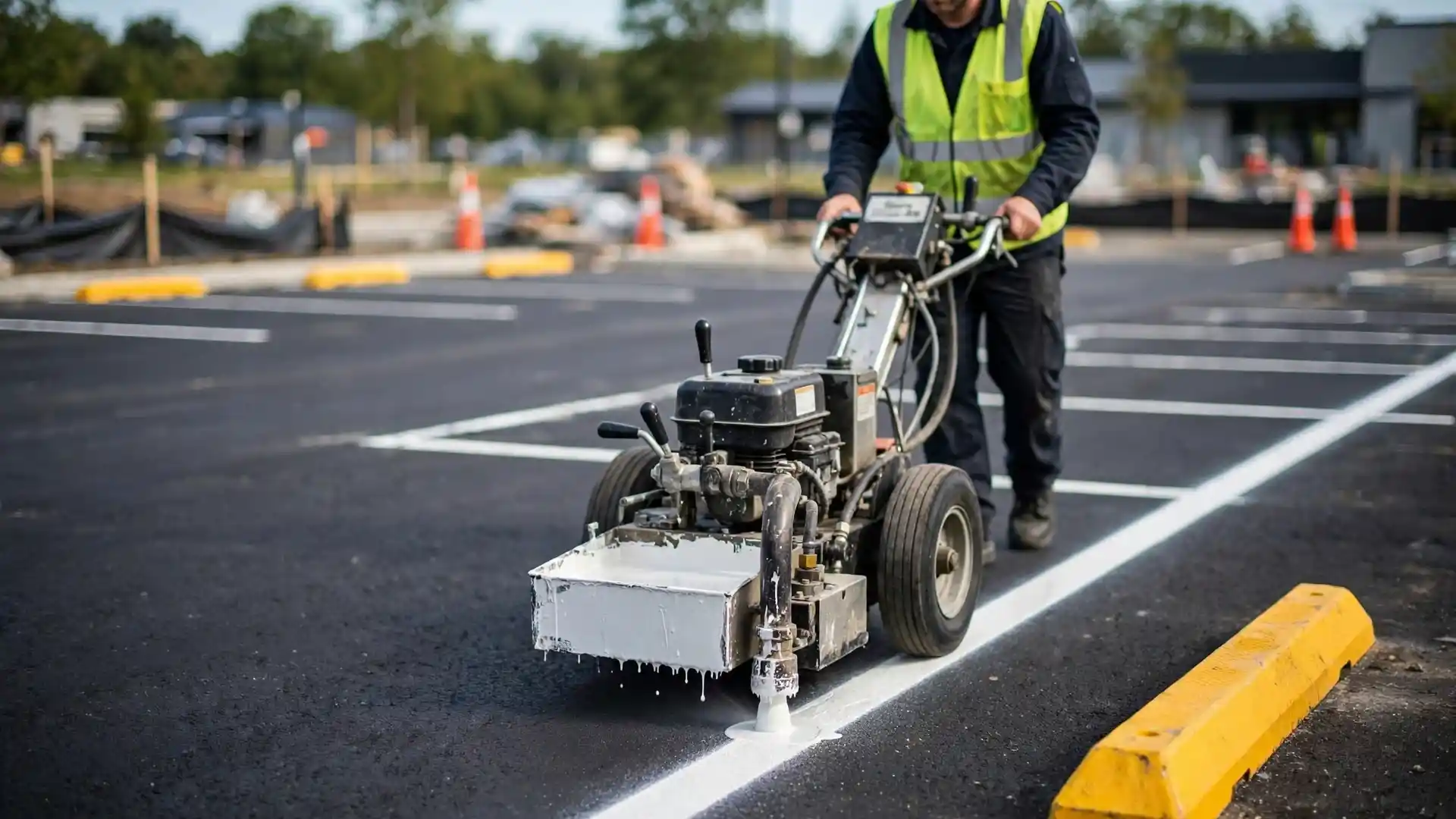
Schedule parking lot striping as part of the reopening plan. Traffic paint has a separate readiness requirement before tires can pass over it without picking it up. Follow the marking product’s instructions and the applicator’s release rather than borrowing a generic paint-drying time.
Accessible Parking and Pedestrian Routes
Coordinate accessible parking markings with the spaces, access aisles, signs, and route to the entrance. Accessible parking must connect to an accessible route; painted symbols alone do not establish that connection.
Walk the intended route with the project team before opening. Look for barriers, equipment, unfinished transitions, or stored materials that interrupt it.
Drainage and Adjacent Construction
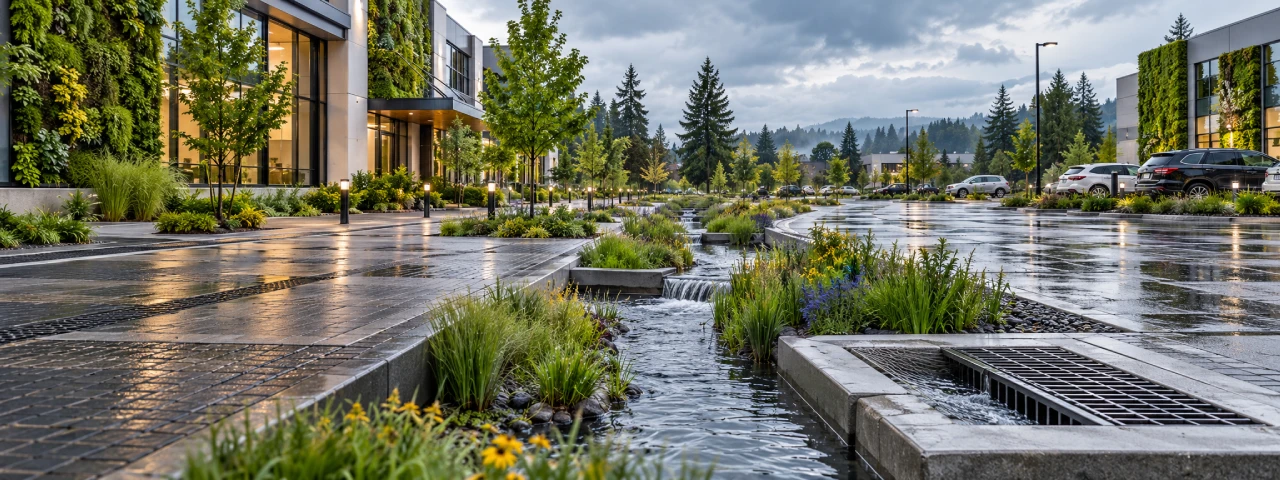
Flag standing water, unfinished drainage work, or questionable transitions during the handover. Have the contractor determine whether the condition affects the proposed opening and whether parking lot drainage improvements need further attention.
If new concrete pads, ramps, or curbs are included, obtain separate use instructions for those elements. Approval of the asphalt should not be interpreted as approval of every material installed during the project.
What Should the Contractor Confirm Before Barriers Come Down?
Ask for a written release that a staff member can understand without attending the construction meeting. “The lot is ready” leaves too much room for interpretation when different areas or vehicles have different restrictions.
A practical reopening record should identify:
- Released area: The entrance, drive aisle, parking rows, or loading zone covered by approval.
- Permitted use: Driving, parking, deliveries, or another defined activity.
- Vehicle restrictions: Any limits on trucks, trailers, equipment, or stationary loads.
- Release time: The actual approved opening time, distinguished from an earlier estimate.
- Remaining closures: Areas and activities still excluded.
- Outstanding work: Striping, access, or other items affecting use.
- Responsible contacts: Who authorizes access and who controls the barriers.
- Follow-up instructions: Conditions to report and how to obtain advice.
Keep the latest version with the person managing site access. Replace older tenant notices if the plan changes, and update any entrance signs at the same time.
Photographs of the released areas can provide a useful handover record. They help identify where a later concern appeared without relying on memory.
How Should Drivers Use the Lot After It Reopens?
Follow the contractor’s aftercare instructions, including any restrictions that continue after the initial opening. Explain them in terms drivers can act on: which rows to use, which route to follow, and which activities need further approval.
Practical precautions to discuss with the contractor include gentle turning, avoiding unnecessary steering while stationary, and keeping heavy vehicles within designated routes. Warm pavement and turning loads deserve particular attention during early use.
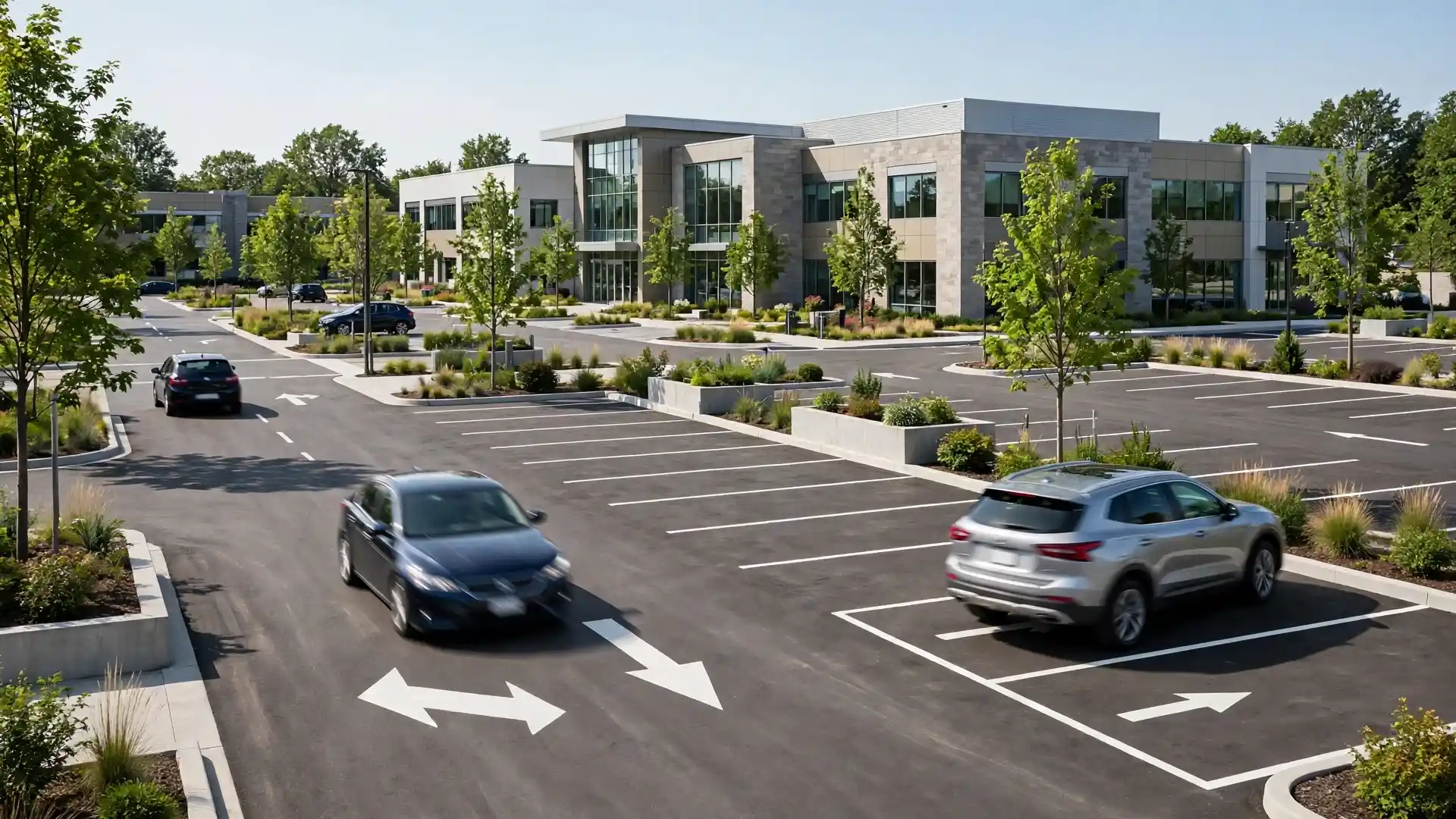
Continue to exclude unapproved trailers, dumpsters, and equipment. Permission to park employee cars should not quietly expand into permission to store materials or stage another contractor’s machinery.
For a commercial property, communication is part of aftercare. Send the instructions to tenant managers and service providers, especially anyone who visits outside staffed hours. Ask them to pass the route and parking restrictions directly to their drivers.
What If Vehicles Enter Too Early or Leave Marks?
Contact the paving contractor and prevent further unauthorized access. Record the location, vehicle type, approximate entry time, and what the vehicle did. Take photographs from a safe position.
A visible tire mark does not, by itself, establish the depth, cause, or repair needs of the affected area. Ask the contractor to distinguish surface marking from displacement, indentation, or other pavement movement.
Report visible depressions, pushed-up material, broken edges, or loose material promptly. If asphalt pavement repair is needed, the method should follow an inspection of the condition and its cause.
Avoid attempting repairs with heat, solvents, or improvised rolling. Keep the affected area available for inspection and ask whether the access instructions should change while the issue is assessed.
Also correct the reason the vehicle entered. An unclear sign, misplaced barrier, or outdated delivery notice can allow the same problem to happen again.
Ask About Your Project Schedule
Before choosing a paving date, gather your operating hours, delivery schedule, waste collection arrangements, and vehicle requirements. Bring those details to the scheduling discussion so the reopening plan reflects how the property actually operates.
Planning parking lot work in Kent or the Greater Puget Sound region? Contact Adams Asphalt & Construction to discuss the paving scope, expected access restrictions, and return-to-service plan for your property.