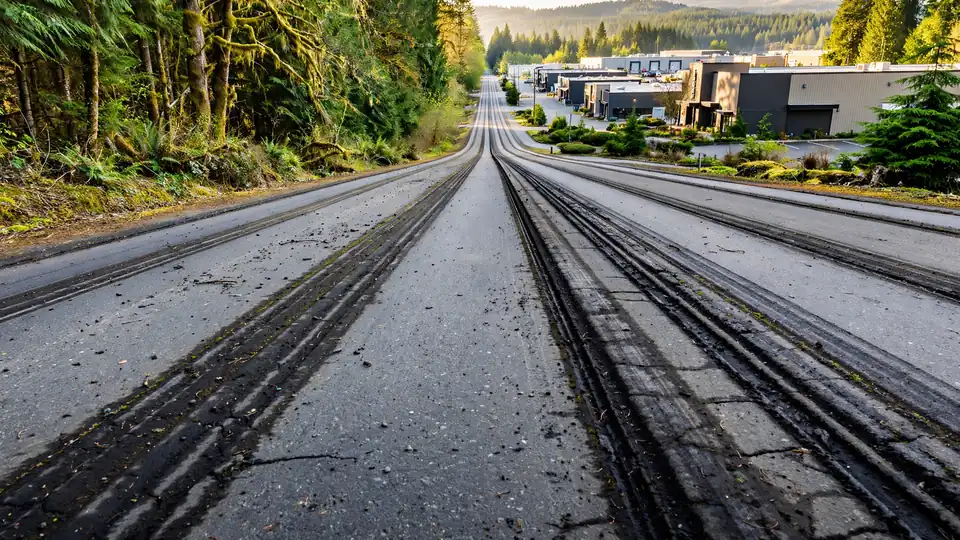
The main asphalt rutting causes include repeated wheel loads, further compaction after construction, an asphalt mix that deforms under traffic, and movement in the supporting layers. Several factors can act together, leaving grooves along the route vehicles follow most often.
Those grooves create a practical question for property owners: will correcting the surface be enough, or does the repair need to go deeper? Choosing an asphalt pavement repair starts with finding where the deformation developed. The visible depth alone cannot answer that question.
What Causes Deep Wheel-Track Grooves in Asphalt Pavement?
Deep wheel-track grooves develop when repeated loading leaves permanent deformation in the asphalt, the layers beneath it, or both. Material may compact further or move sideways under pressure. Heat, moisture, unsuitable materials, and inadequate support can contribute, but an inspection is needed to identify the cause at a particular site.
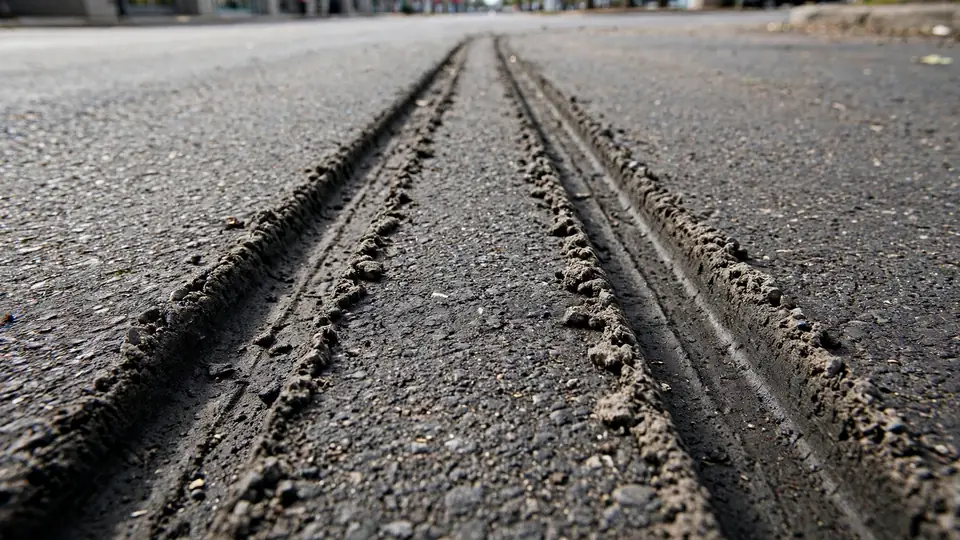
Rutting describes a depression running along a wheel path. Because vehicles repeatedly load similar strips of pavement, the damage often appears as parallel channels rather than a uniform lowering of the entire lane.
The surface may remain largely intact while its shape changes. That is why an absence of potholes or widespread cracking does not establish that a rutted lane is performing properly.
Heavy Loads and Repeated Wheel Paths Concentrate Stress
The Same Route Receives Repeated Loading
Truck entrances, loading approaches, and narrow access lanes direct vehicles through predictable paths. A pavement section must be suitable for the loads and repetitions it receives in those paths.
For example, imagine a property that changes from occasional deliveries to regular freight movements. The pavement has not changed, but its working conditions have. That change deserves attention when investigating new truck lane rut damage.
For asphalt roadway paving, traffic information should describe vehicle types, axle loading, frequency, and routes. A daily vehicle count alone leaves out how heavily each part of the pavement is used.
Slow Movement Changes the Loading Conditions
Asphalt responds to both temperature and the duration of loading. Slow-moving or queued trucks can create different deformation demands from vehicles passing at normal road speeds. Braking and acceleration can also produce localized displacement, sometimes alongside rutting.
Record where trucks wait, turn, or repeatedly stop. These observations help explain why damage may concentrate near a gate while the approach road remains comparatively smooth. The broader guide to industrial roadway paving requirements explains how those operating conditions influence pavement planning.
When the Asphalt Mix Moves or Compacts Further
Two mechanisms can produce a lower wheel path within the asphalt itself. Distinguishing them matters because a depression that has stabilized presents a different repair problem from a mixture that continues to move.
Further Compaction Under Traffic
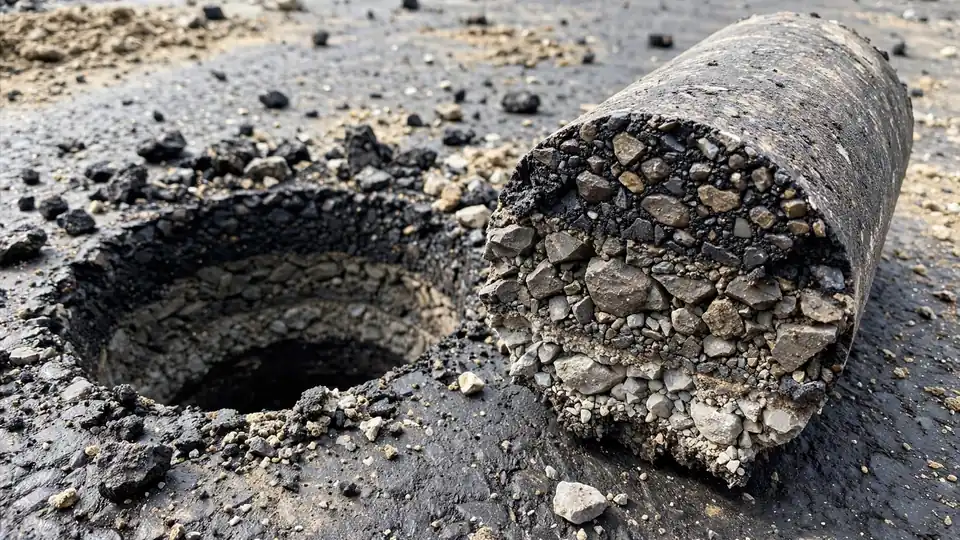
Asphalt contains small air spaces between its coated aggregate particles. If construction leaves excessive air voids, traffic may compress the mixture further. This reduction in volume is called densification.
Where that compression is concentrated beneath tires, wheel path depressions can develop. Densification may slow as the material becomes denser, but stability should be established through measurements and assessment. A pavement’s age alone does not show that the movement has stopped.
Sideways Movement Within an Unstable Mixture
Rutting can also occur when the mixture lacks sufficient resistance to permanent deformation. Aggregate structure, binder properties, binder content, and moisture damage can affect that resistance.
Higher pavement temperatures make the binder less stiff, increasing the importance of selecting a mixture suited to the climate and traffic. Material displaced sideways may form ridges beside a wheel track.
Heat is therefore a contributing condition to investigate. It does not, by itself, prove why one pavement rutted or establish that the original mix was unsuitable.
How Weak Support Can Show Up at the Surface
The asphalt layer works with the base beneath it and the subgrade, which is the soil supporting the pavement structure. These layers distribute and resist traffic loads. Permanent movement within them can appear at the surface as a rut, even when the asphalt mixture is not the primary problem.
Possible contributors include insufficient support for the loading, poorly compacted material, moisture-related weakening, and inadequate lateral support near pavement edges. The pavement section must be considered as a whole when evaluating these possibilities.
Broad depressions can raise questions about deeper movement. However, neither their width nor accompanying cracks prove subgrade failure. Confirming the affected layers may require sampling or other investigation.
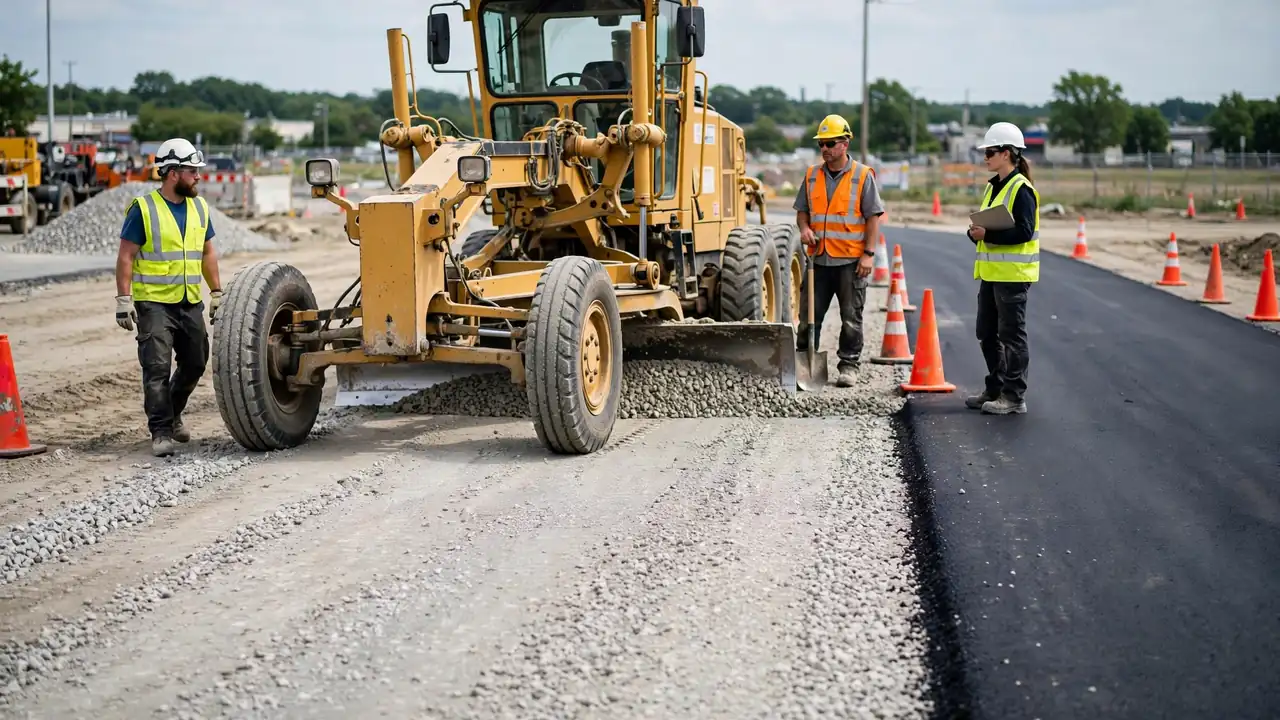
If support problems are established, repairs may involve civil site work before paving. The scope should identify which materials need correction and how the rebuilt area will carry the site’s traffic.
Why Drainage Can Be Both a Cause and a Consequence
Water can weaken moisture-sensitive supporting materials and contribute to pavement deformation. Poor drainage may allow that moisture to persist beneath or beside a traffic lane.
Rutting can then create another problem: the channels interrupt the intended surface drainage and retain water. A puddle inside a rut may be a consequence of the changed pavement shape, evidence of a wider drainage issue, or both.
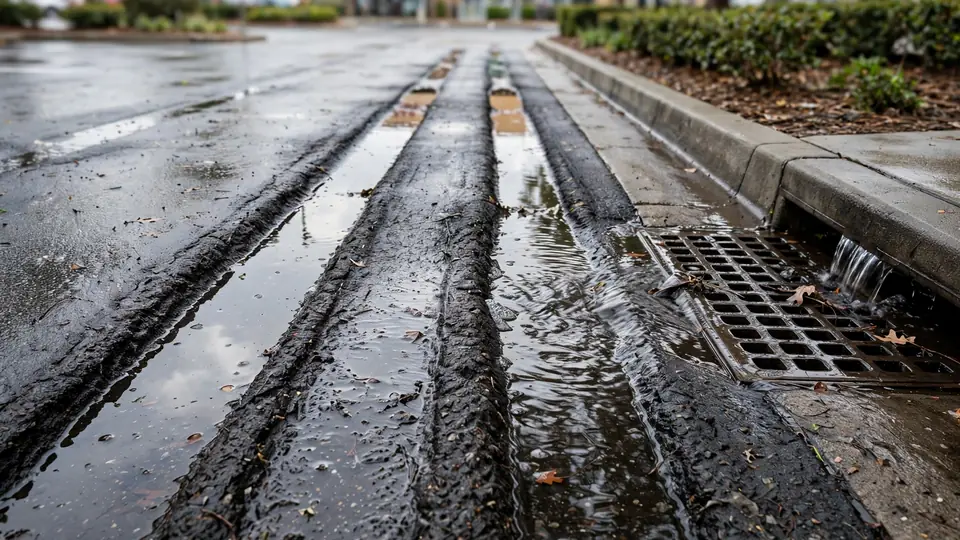
An assessment should consider two separate questions:
- Where does surface water go, and what prevents it from reaching an outlet?
- Is moisture affecting the materials that support the pavement?
Appropriate pavement drainage solutions depend on those answers. Clearing a blocked inlet may improve collection without correcting a depressed wheel path. Likewise, leveling the pavement may leave an unresolved subsurface moisture problem.
If the investigation identifies a damaged or unsuitable collection structure, catch basin installation and repair may belong in the project scope. Drainage work should follow the observed problem rather than being added automatically to every rutting repair.
Reading Rut Patterns Without Guessing the Cause
The pattern helps direct an investigation. It should be recorded alongside traffic movements, drainage conditions, and repair history before a treatment is selected.
| Observed Pattern | Possible Explanation | Useful Follow-Up Check |
|---|---|---|
| Relatively narrow channels, sometimes with raised material beside them | Deformation concentrated in the asphalt layers | Asphalt layer profiles, density, and mixture condition |
| Broad wheel-path depressions | Movement extending into supporting layers | Base and subgrade condition, moisture, and pavement structure |
| Ruts accompanied by interconnected cracking | Deformation occurring with fatigue distress | Loading, structural support, and the extent of damaged material |
| A depression that follows an old utility cut | Settlement associated with the repaired trench may be involved | Excavation history, backfill, and repair boundaries |
| Bulges or waves near stopping points | Shoving or other localized displacement may accompany rutting | Braking patterns, mixture stability, and layer bonding |
| Grooves with evidence of surface material being worn away | Abrasive wear may contribute | Surface texture, aggregate loss, and traffic history |
The last distinction matters on roads exposed to studded tires. Wheel-path grooves can involve material wearing away, not only material being compressed or displaced. Washington State Department of Transportation documents studded-tire damage to asphalt pavement, so this possibility should not be overlooked where that traffic is relevant.
Several mechanisms can occur together. The table identifies useful questions, not a diagnosis based on photographs.
When Wheel-Path Depressions Need Prompt Attention
Water retained in ruts can affect tire contact and contribute to hydroplaning risk under suitable combinations of speed, water depth, and tire condition. The operating context matters: an access road carrying moving traffic presents different concerns from a low-speed staging area.
Arrange a prompt review when the depressions are growing, repeatedly holding water, breaking apart, or interfering with normal vehicle movements. If the condition presents an immediate hazard, have the responsible site team manage access while it is assessed.
Avoid relying on a single online rut-depth threshold to decide that a pavement is safe. Agency condition categories serve particular survey systems. They do not replace an assessment of the actual lane, drainage, traffic, and rate of change.
What a Rutting Assessment Should Establish
A useful assessment should connect the visible groove to evidence about the pavement and its use. It should also explain which uncertainties remain before a repair is priced.
Measure the Profile and Track Changes
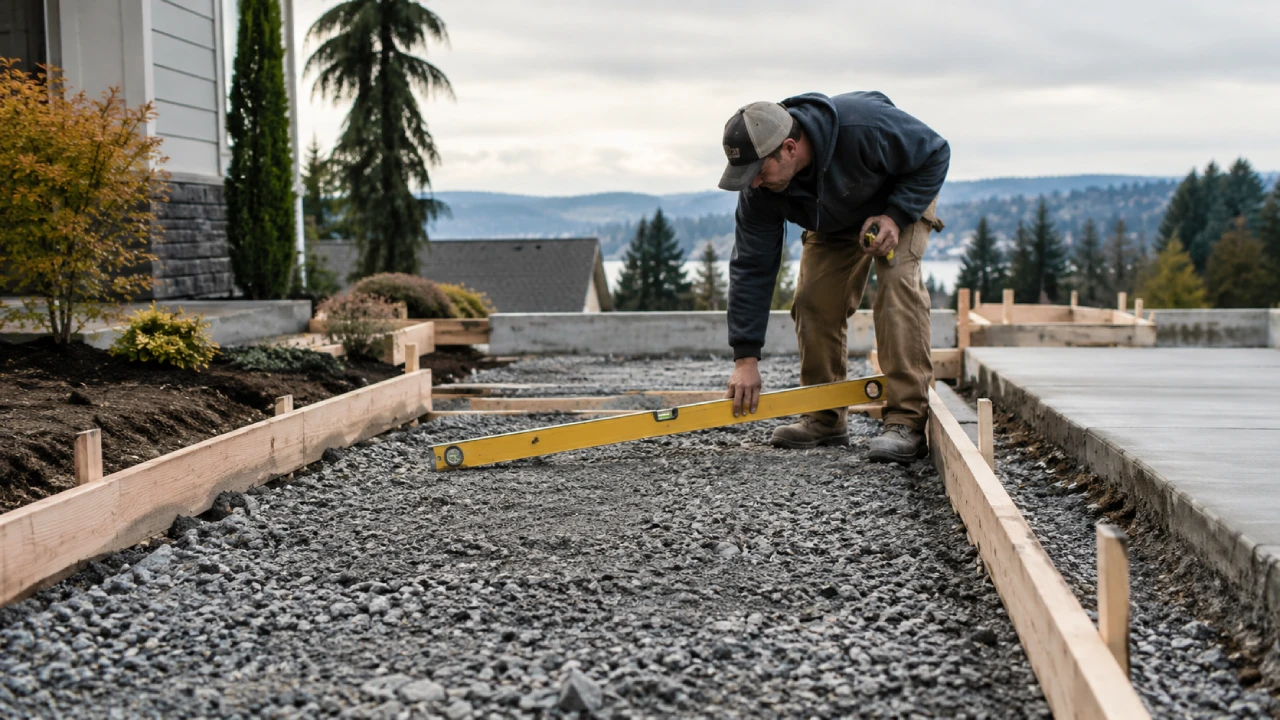
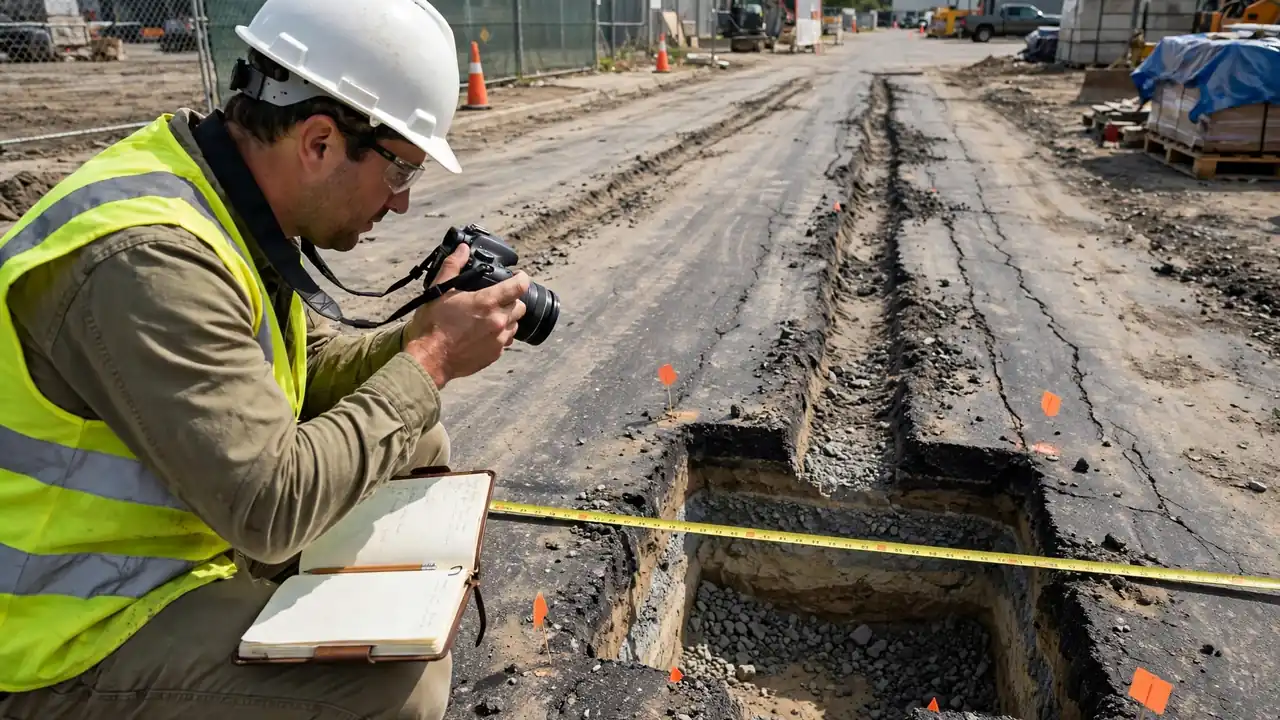
An assessor can measure the pavement across the wheel path using an appropriate straightedge or profiling equipment. The reference needs to span the depression properly; an unsuitable setup can understate its depth.
Record the measurement locations so later readings can be compared. Photographs should show the surrounding lane as well as the groove, including drainage features and nearby patches. Dates, weather observations, and recent changes in site traffic make that record more useful.
Investigate the Layers When the Cause Is Unclear
Depending on the problem, investigation may include pavement cores, targeted openings, moisture and density measurements, or other engineering tests. Layer profiles help determine where permanent movement has occurred. Material testing can help evaluate suspected mixture instability or moisture susceptibility.
These are possible investigation methods, not a required package for every property. The assessor should explain what each proposed test is intended to resolve and how its result could change the repair recommendation.
Provide any available paving records, previous repair scopes, drainage plans, and traffic changes. A recurring groove in a recently repaired lane deserves comparison with the earlier scope before the same work is repeated.
Matching the Repair to the Layer That Moved
The right response depends on the cause, affected depth, extent, and whether deformation is continuing. A surface that looks level immediately after work is only one part of a successful repair.
Stable, Limited Surface Deformation
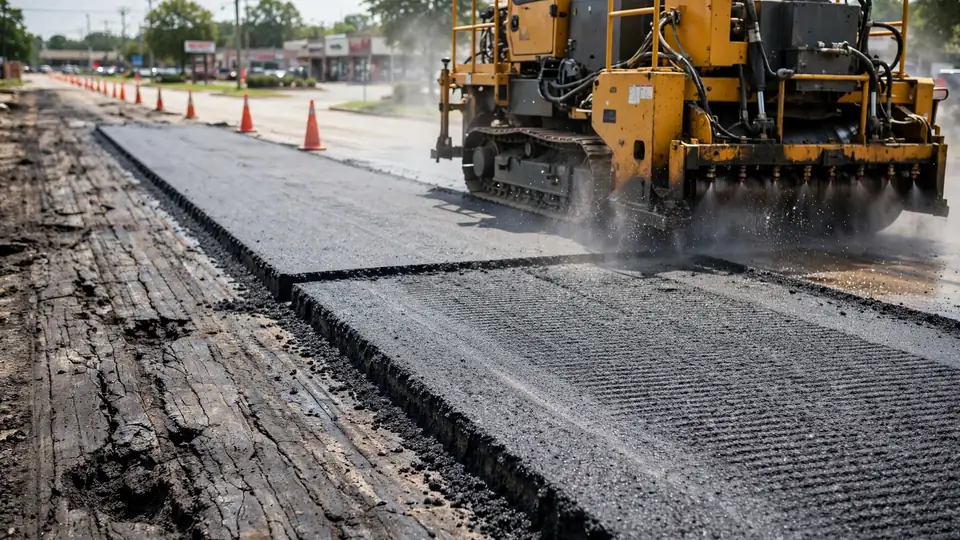
Where assessment confirms that the pavement is stable and the problem can be addressed near the surface, localized profile correction or resurfacing may be considered. Finished elevations must allow water to drain and vehicles to cross repair transitions smoothly.
Asphalt overlay services may be appropriate after necessary preparation and repairs. An overlay should be supported by evidence that the material remaining beneath it is suitable for the intended treatment.
An Asphalt Layer That Continues to Deform
If an unstable asphalt layer is responsible, removing and replacing the affected material may be necessary. Milling, which removes asphalt to a controlled depth, can form part of that work.
Removal depth should follow the investigation. Leaving unstable material beneath a new surface can allow the wheel-path channels to return. The replacement mixture and construction requirements also need to address the conditions that contributed to the original problem.
Movement in the Base or Subgrade
When deeper materials are implicated, a repair may require excavation, support correction, drainage improvements, and reconstruction of the affected pavement section. A localized failure does not automatically require replacing an entire parking lot or roadway.
Where elevations or surface slopes contribute to water problems, land grading services may need to be coordinated with the pavement work. The design should establish both a suitable supporting structure and a workable drainage path.
Routine sealcoating does not rebuild those layers or restore a depressed wheel-path profile. It should not be presented as a structural rutting repair.
Reducing the Chance of Ruts Returning
Prevention starts with the conditions the repaired pavement will actually face. If freight movements, queue locations, or delivery routes have changed, include those changes in the design brief.
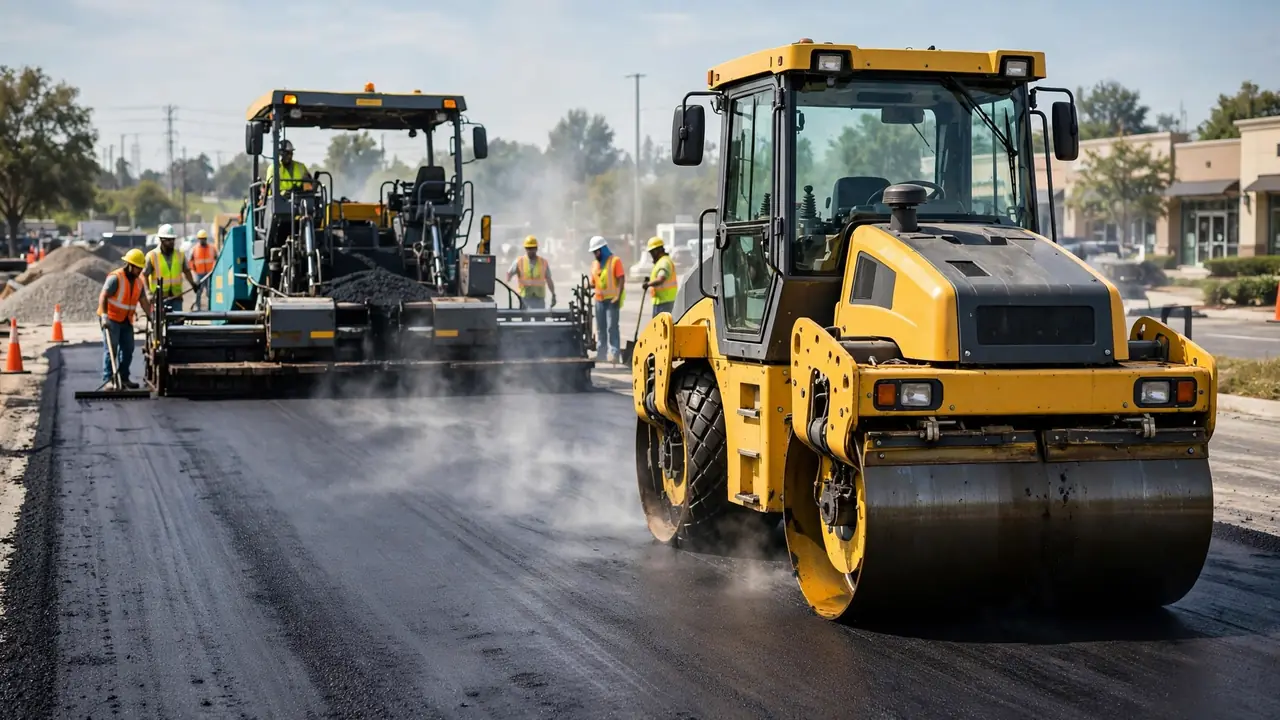
The work should account for:
- Traffic and climate: Select the pavement structure and asphalt materials for the expected loads, movement patterns, and temperatures.
- Support and construction: Establish suitable base conditions and verify the specified placement and compaction requirements.
- Water movement: Coordinate pavement elevations, collection points, outlets, and any identified subsurface drainage needs.
- Follow-up observations: Recheck repaired wheel paths at recorded locations and investigate renewed movement or persistent ponding.
Maintenance still has a role. Suitable crack filling can address eligible cracks and help limit water entry, but it cannot correct the deformation responsible for a rut. Cracking associated with structural distress requires its own assessment.
Keep construction records and photographs with the maintenance history. If damage returns, that information helps the next investigation compare the intended repair with what was completed and how the area has been used since.
What Should a Rutting Repair Proposal Include?
A proposal should explain why the recommended work fits the findings. Ask for the observed condition, likely mechanism, and evidence supporting the proposed repair depth.
The scope should identify the repair limits, materials to be removed, supporting-layer work where needed, replacement pavement requirements, and drainage changes. It should also explain how unexpected weak material discovered during excavation will be handled.
For an operating property, include access arrangements and work sequencing. A loading entrance that must remain available needs different planning from a lane that can close for construction.
These details also explain cost differences. Repair area, removal depth, disposal, material replacement, drainage work, and traffic management can all change the scope. Compare proposals on the work included before treating a lower price as an equivalent repair.
If the cause remains uncertain, ask what investigation is needed before finalizing the construction scope. That is more useful than accepting a confident treatment recommendation without supporting findings.
Arrange a Rutting Assessment Before Choosing a Repair
Gather photographs of the wheel paths, note when water collects, and describe the vehicles using the area. Include earlier repair records and any recent changes in deliveries or site operations.
Adams Asphalt & Construction provides asphalt repair, roadway paving, drainage, and civil site work in Kent and the Greater Puget Sound region. Contact the team to discuss the affected area and the scope of an assessment. If further materials or engineering investigation is needed, establish that before selecting the repair.