When heavy rain hits a parking lot, loading area, or apartment complex and the water has nowhere to go, the damage adds up fast. Ponding water softens the aggregate base, pushes into pavement cracks, blocks entrances, and creates slip hazards for tenants and customers. For property owners across Kent, WA, and the Greater Puget Sound region, choosing the right drainage solutions for flood-prone sites is one of the most important long-term decisions they can make. At Adams Asphalt & Construction, we have been serving the region since 1971. One pattern shows up often: flooding is rarely just a surface problem.
This guide explains what causes site flooding, which solutions fit which problems, and how to plan the work without disrupting operations.
What Are the Most Effective Drainage Solutions for Flood-Prone Sites?
The most effective drainage solutions for flood risk combine three things:
- Proper surface grading that moves water toward collection points.
- Enough inlet and pipe capacity to carry that water away.
- Routine maintenance that keeps the system clear.
No single product fixes flooding. The right approach depends on how water enters, moves across, and leaves the site.
Many owners start with the most visible fix: adding a drain where water pools. Sometimes that works. But suppose the real problem is a settled pavement section, an undersized storm line, or a clogged outlet. Then a new inlet may only move the puddle.
Temporary flooding solutions like pumps or sandbags help in emergencies, but they don’t change how water moves. Lasting results start with an on-site evaluation of slopes, existing structures, pipe condition, soils, and where runoff discharges. You can learn more about how AAC approaches property drainage improvements on our service page.
Why Do Commercial Sites Flood? Symptoms vs. Root Causes
Standing water is a symptom. The root cause usually falls into one of these categories:
- Grading problems: flat areas, reversed slopes, or pavement that has settled over time.
- Collection problems: too few catch basins, damaged grates, or inlets set at the wrong elevation.
- Conveyance problems: storm pipes that are cracked, crushed, root-damaged, or undersized.
- Maintenance problems: sediment, leaves, and debris blocking structures and lines.
- Soil and groundwater conditions: slow-draining soils or a high water table that limits infiltration.
In western Washington, long periods of steady rain matter as much as single storms. Many valley properties we work on as a paving and site contractor in Kent, WA stay saturated for much of the wet season. Water that might soak in elsewhere sits on the surface or moves sideways beneath the pavement. Choosing drainage solutions for flood control without identifying the cause often leads to repeat spending.
Drainage and pavement performance are closely tied. Water trapped in the base weakens support under vehicle and truck loads. That leads to alligator cracking, potholes, and rutting. This is why proper base preparation matters on any paved or concrete surface.
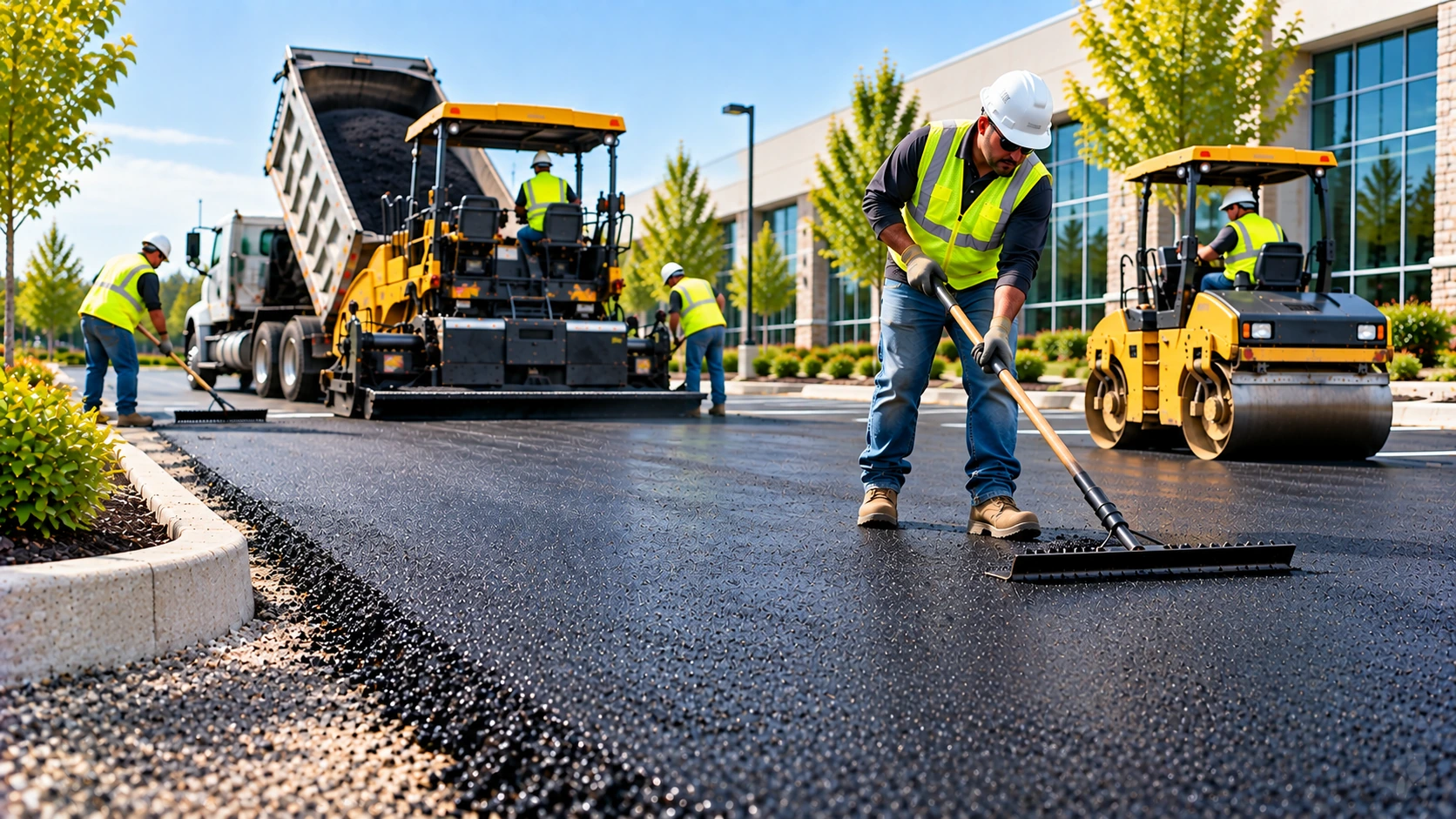
Resurfacing without fixing drainage often means paying for the same failure twice. When damage is already visible, evaluate commercial asphalt paving options alongside the drainage issue.
6 Solutions to Flooding on Commercial and Multifamily Sites
The strongest drainage solutions for flood-prone properties usually combine several of the following approaches.
1. Correct Surface Grading and Slopes
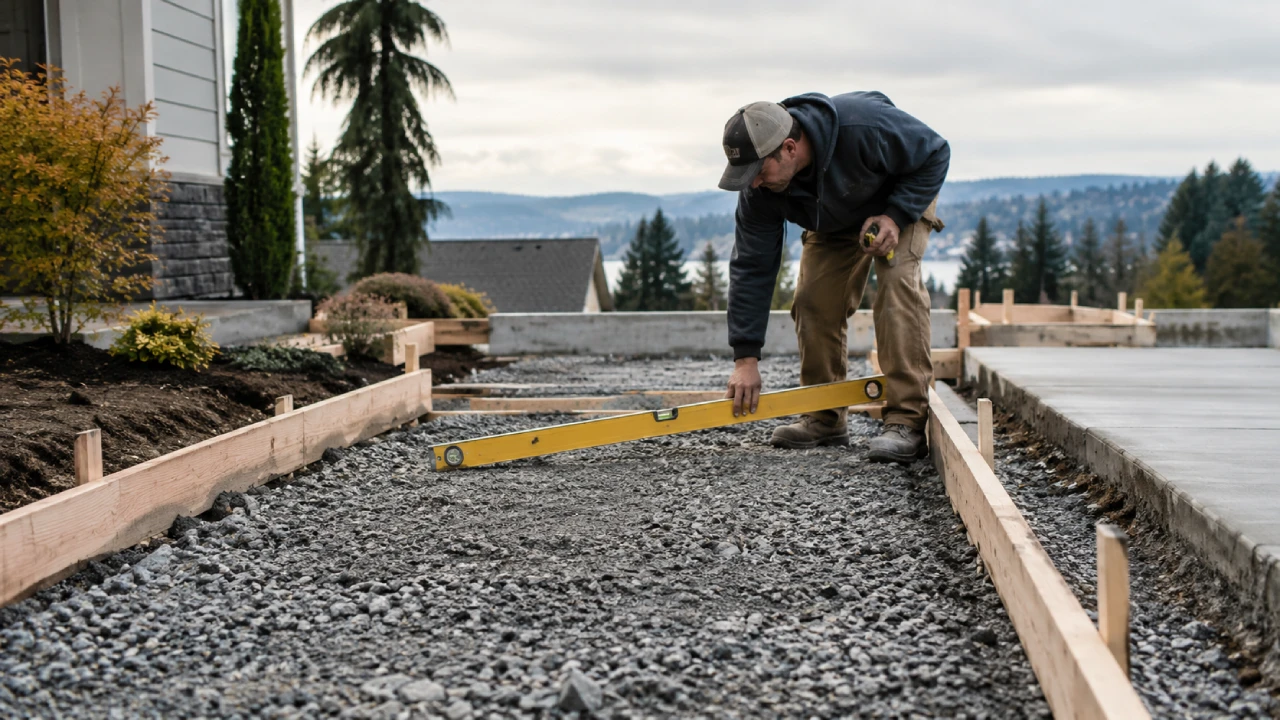
Grading is the foundation of every drainage plan. Pavement and landscape areas should direct water toward collection points and away from buildings, entrances, and loading docks.
On existing sites, correcting grade may involve removing and replacing pavement sections, adjusting base elevations, or reshaping landscape areas. AAC’s full range of grading, paving, and construction services allows these steps to be coordinated together.
2. Add or Rebuild Catch Basins
Catch basins collect surface water and let sediment settle before water enters the pipe network.
Catch basin installation makes sense in two situations: where water pools far from existing inlets, or where a new pavement layout changes flow patterns. Catch basin repair is often the better choice when the structure itself is sound but the grate, frame, or surrounding pavement has failed. Sunken or broken frames create trip hazards and let water undermine nearby asphalt.
3. Repair or Upgrade Storm Pipe
If basins back up even after cleaning, the problem is likely downstream. Pipe inspection can reveal cracked, offset, or collapsed sections.
Drainage repair services may address a localized break. Where deterioration is widespread, drainage system replacement may be the practical option. Either way, the work usually requires careful excavation followed by pavement restoration.
4. Install New Stormwater Infrastructure
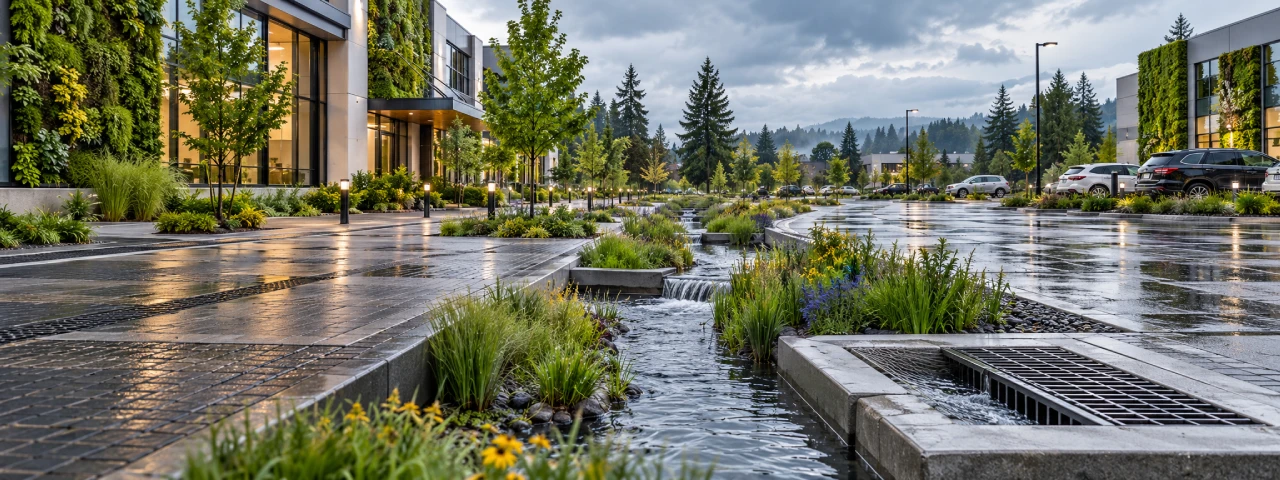
New development, expansion, or chronic flooding sometimes requires a larger system. Stormwater system installation may include new inlets, conveyance piping, and connections to detention or treatment facilities shown on approved plans.
Many Washington projects must meet local stormwater requirements. The design typically comes from the project’s civil engineer and is reviewed by the permitting jurisdiction. The contractor’s role is to construct the system according to those approved plans, often as part of broader civil site work.
5. Use Curbs, Gutters, and Concrete to Direct Water
Concrete curbs, valley gutters, and flatwork channel runoff where asphalt alone cannot. Valley gutters carry water across drive aisles. Curbing keeps water off walkways and landscape beds.
Finished elevations must match the grading plan, or water will find another path. Well-placed structural and commercial concrete work often solves flow problems that asphalt can’t.
6. Maintain the System on a Schedule
Even a well-built system fails when it clogs. Sediment, leaves, and loose aggregate gradually fill basins and pipes.
Whether handled in-house or through professional drainage infrastructure cleaning services, flood risk reduction depends on regular inspection. This matters most before and during the rainy season. Well-maintained pavement also sheds less loose material into drains, which makes sealcoating and pavement maintenance part of the drainage conversation.
How Common Drainage Approaches Compare
Here is how common drainage solutions for flood issues compare:
| Approach | Best For | What It Addresses | Limitations | Ongoing Care |
| Grading correction | Ponding from flat or settled areas | Surface flow direction | May require pavement removal | Periodic condition checks |
| New catch basins | Pooling far from inlets | Collection capacity | Won’t help if downstream pipe is restricted | Sediment removal |
| Catch basin rebuild | Broken grates, sunken frames | Structure and surrounding pavement | Doesn’t add capacity | Grate and frame inspection |
| Pipe repair or replacement | Backups after cleaning | Conveyance | Requires excavation and phasing | Periodic inspection |
| New stormwater system | Development or chronic flooding | Overall capacity | Requires plans and permits | Per system design |
| Curbs and valley gutters | Channeling flow across aisles | Flow paths | Must match grading | Debris clearing |
Should You Repair, Upgrade, or Replace?
Repair when the problem is localized, and the rest of the system works. Upgrade when the system works but can’t handle current runoff. Replace when multiple components are failing, or the layout no longer fits how the site is used.
Signs that point toward replacement include:
- Repeated backups in several locations
- Pipe collapses
- Settlement around multiple structures
- A change in site use that added impervious area, such as converting a gravel yard to paved storage
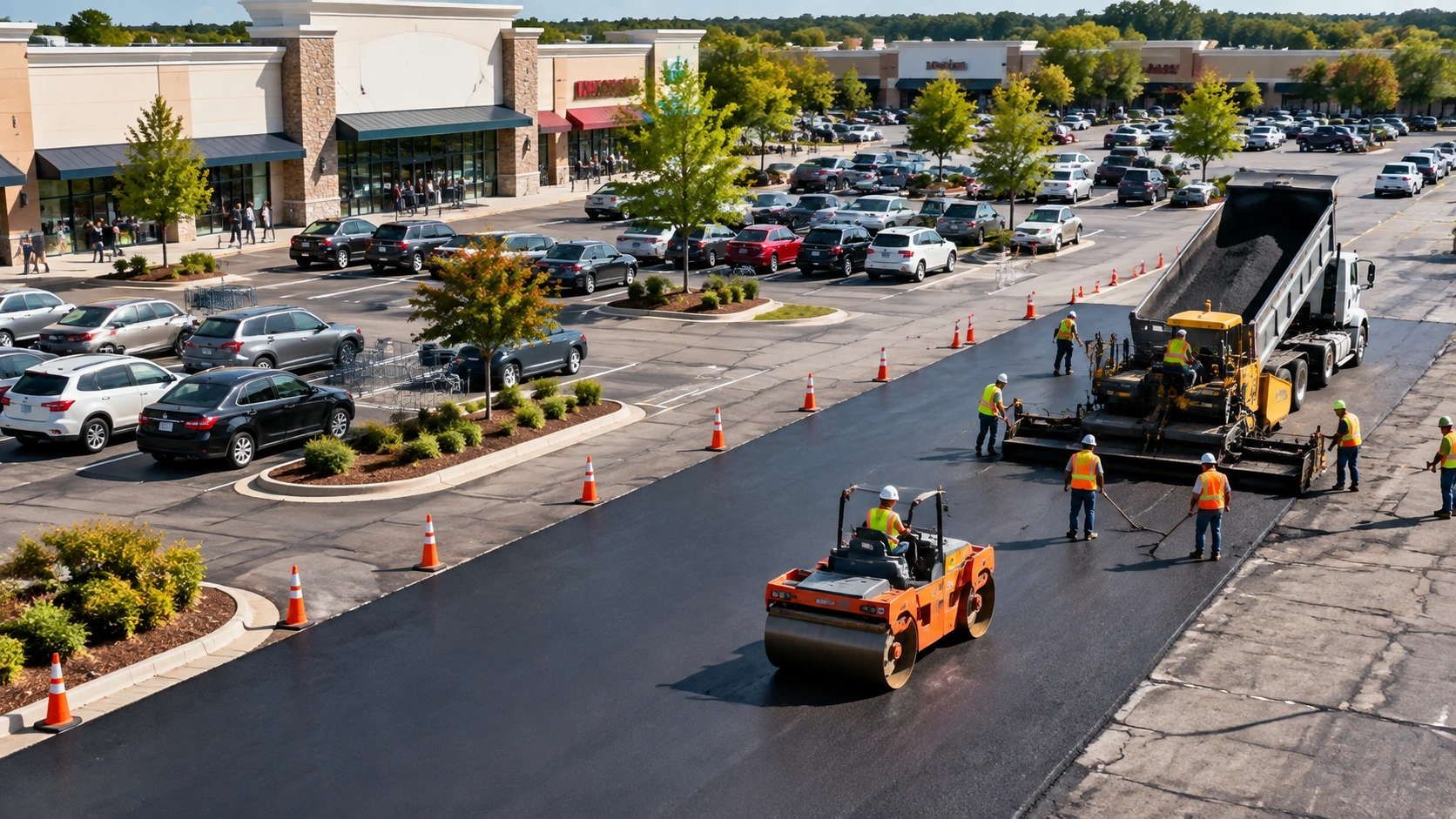
When pavement is also near the end of its life, coordinating drainage system installation with repaving often reduces cost and disruption, because the site is only opened up once. Base condition determines whether an overlay will hold up or whether full reconstruction makes more sense.
Costs vary with pipe depth and size, soils, pavement restoration, access, traffic control, and permit requirements. If you’re unsure which category your site falls into, AAC can assess existing conditions and help define a realistic scope.
Planning Drainage Work Around Active Operations
Commercial drainage system installation often happens on sites that can’t close:
- Retail centers need customer access.
- Warehouses need truck circulation and dock access.
- Apartment communities need resident parking and emergency access.
Drainage solutions for flood-prone commercial sites should be phased with these needs in mind. Good planning covers:
- Work zones: sequencing work so entrances and critical routes stay open.
- Truck routing: keeping heavy vehicles off freshly restored areas. Understanding how heavy truck traffic affects pavement design helps here.
- Temporary drainage: handling runoff while trenches are open.
- Timing: drier Puget Sound months make trenching and paving easier, though many projects can be staged around the weather.
- Communication: giving tenants and customers advance notice.
After underground work and paving are finished, restoring parking lot striping returns traffic flow and stall layouts to normal.
What About Homes, Yards, and Basements?
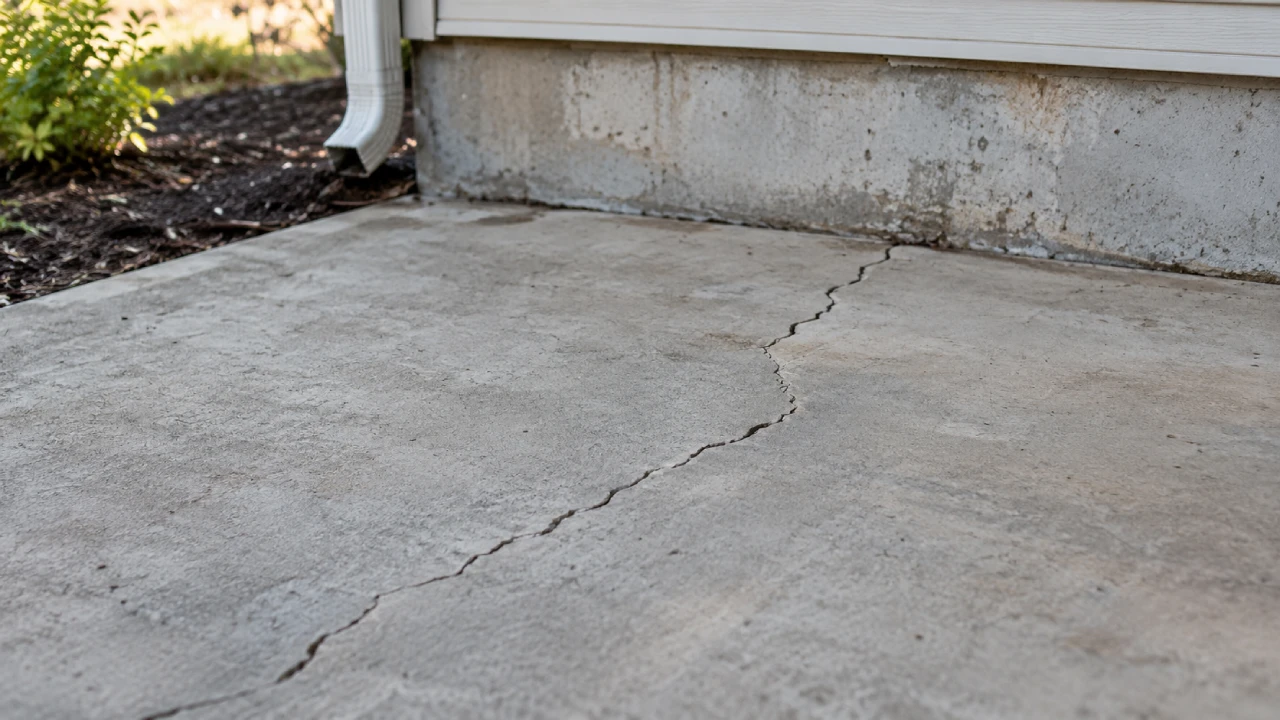
Homeowners looking for drainage solutions for flooding yard areas can apply the same principles at a smaller scale. Grade soil away from the foundation, route downspouts to an appropriate discharge point, and make sure driveways don’t slope water toward the house. The best drainage solutions for backyard flooding usually start with understanding where water enters and where it can legally go.
The best home drainage solutions for flood prevention start outside. Drainage solutions for flooded basements, however, often involve interior waterproofing, sump systems, or foundation drains, which are specialized trades. Exterior grading can reduce how much water reaches the foundation, but a basement specialist should evaluate interior leaks.
Getting the Right Scope for Your Property
Flooding problems rarely have one-size-fits-all answers. The right drainage solutions for flood-prone sites depend on grades, soils, existing structures, pavement condition, and how the property operates day to day.
Adams Asphalt & Construction brings paving, concrete, grading, and drainage work together under one team, which helps when these issues overlap. If water is damaging your pavement or disrupting access, request a drainage site evaluation to discuss your property’s conditions.
Frequently Asked Questions
Can new pavement fix a drainage problem?
Only if the repaving includes corrected grades and adequate collection points. Paving over a flat or settled area without changing its slope usually recreates the same ponding. If water is also damaging the base, that should be addressed before new asphalt goes down. Otherwise, the new surface may fail early.
How often should catch basins be cleaned?
It depends on sediment load, nearby trees, traffic volume, and site activity. Many property managers inspect basins at least before the rainy season and after major storms. Sites with heavy truck traffic or significant leaf fall may need more frequent attention. Local stormwater rules may also set maintenance expectations for certain systems.
Do drainage projects require permits?
Often, yes. It depends on the jurisdiction and scope. New connections to municipal storm systems, added impervious surface, and detention facilities commonly require review, while small repairs may not. Check with your city or county early, and involve a civil engineer when the project needs design drawings.
How long does stormwater drainage installation take?
Timelines vary with pipe length and depth, soil conditions, weather, permit approvals, pavement restoration, and whether the site stays open during construction. A localized repair may be quick. A full system on an active commercial property requires phased scheduling. A site-specific evaluation gives the most realistic estimate.
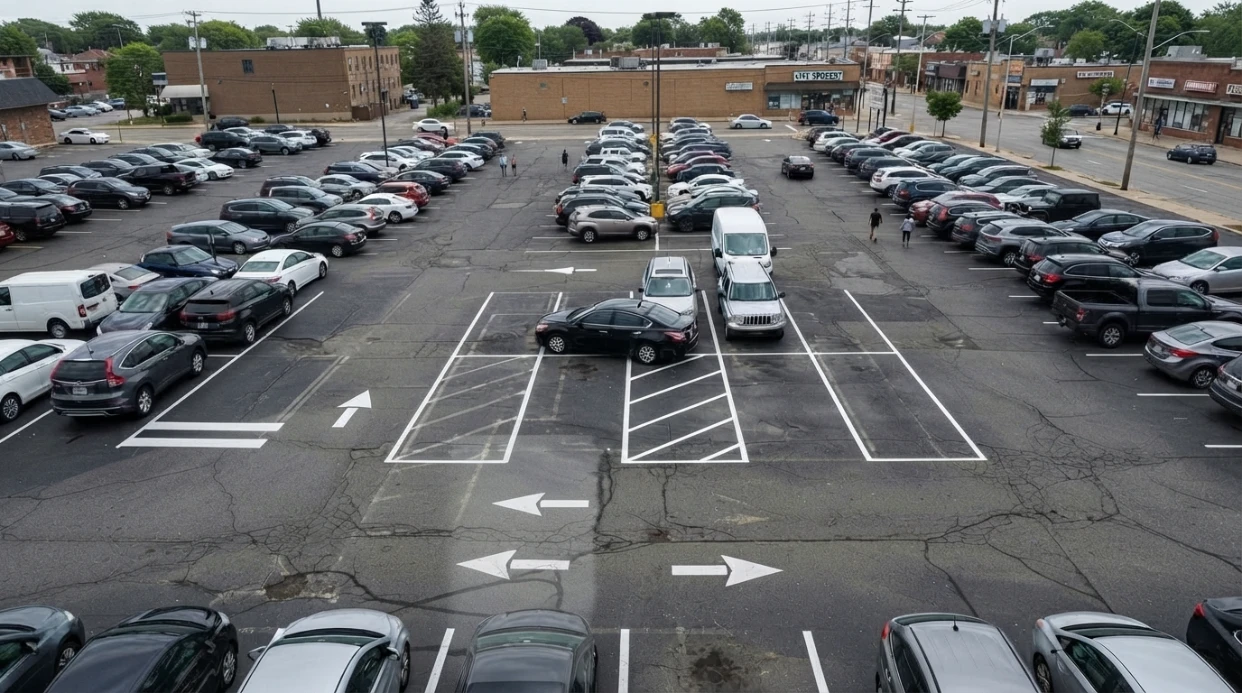
Why does water pool in a parking lot that isn’t cracked?
Pooling without cracking usually points to low spots from settlement, original grades that were too flat, or an inlet set higher than the surrounding pavement. These “birdbaths” may look harmless. Over time, though, standing water speeds oxidation and seeps into the base, leading to future cracking and potholes.