Fresh paint hides a lot of things, but it cannot hide a bad layout. Across Kent and the Greater Puget Sound region, property teams repaint a lot and then find the same crowded aisles, confused traffic flow, and worn stalls six months later. Most of those problems trace back to decisions made before the first line went down. This guide walks through the mistakes that cause repeat work, and what knowing how to stripe parking lots properly actually involves, starting well before pavement marking and striping work begins.
The Short Answer: Striping Fails Because of Prep and Layout, Not Paint
Most striping problems come from three causes: painting on a surface that is not clean, dry, or cured; working without a measured layout; and ignoring how vehicles actually move through the site. Paint quality matters, but it is rarely the root cause.
Learning how to stripe parking lots well means treating the job as a construction task with a sequence, not a cosmetic touch-up. Here are the mistakes that show up most often on commercial, industrial, and multifamily properties.
Mistake 1: Striping a Surface That Isn’t Ready
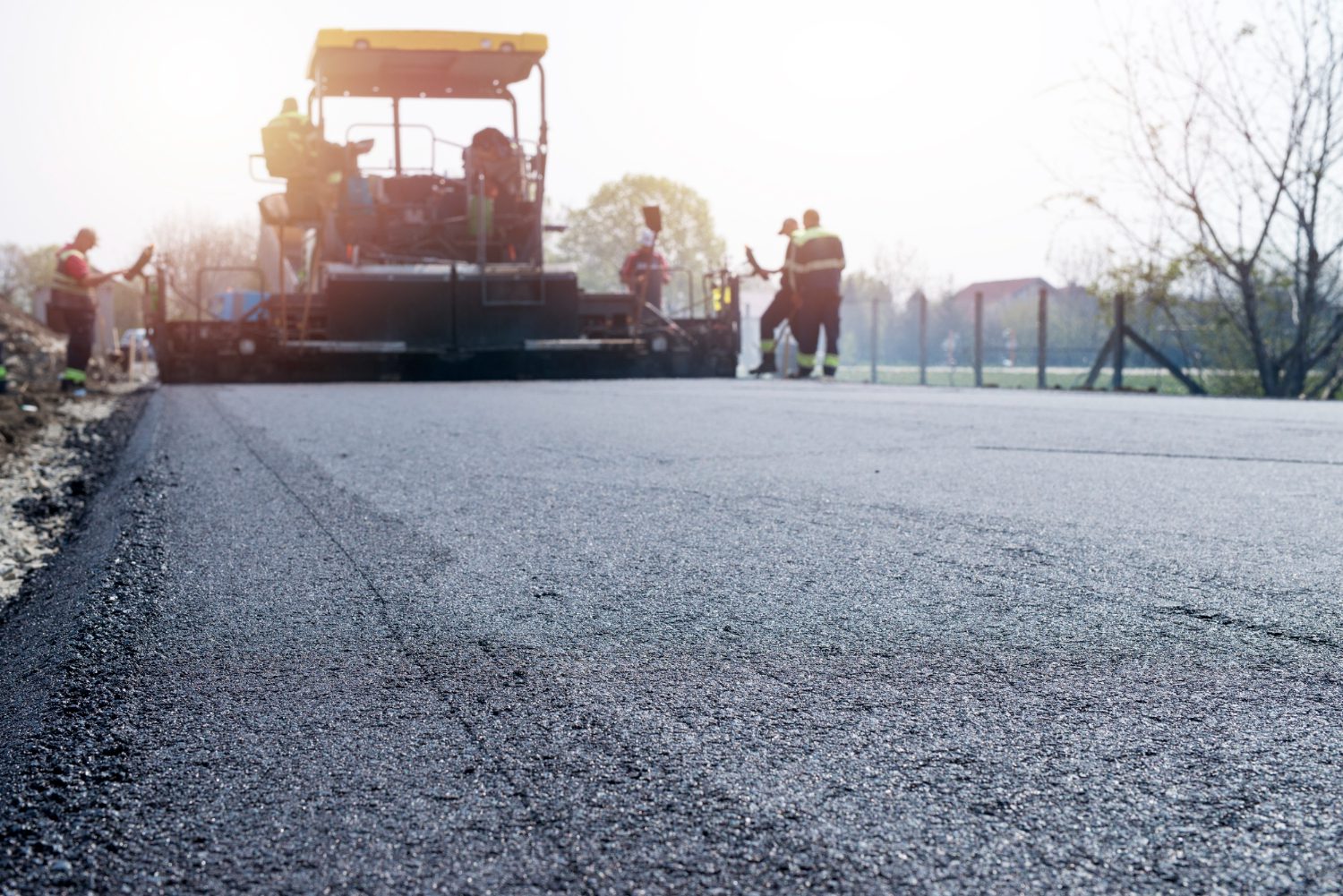
Paint bonds to pavement, not to dust, moss, or oil. On shaded sections of older Northwest lots, moss and trapped moisture are common even on dry days. Crews should not paint lines on parking lot surfaces that are still damp or coated in fines left behind by sweeping.
Check these conditions before marking:
- New asphalt or fresh sealcoat has had adequate cure time for the conditions.
- Oil-stained areas have been cleaned or spot-treated
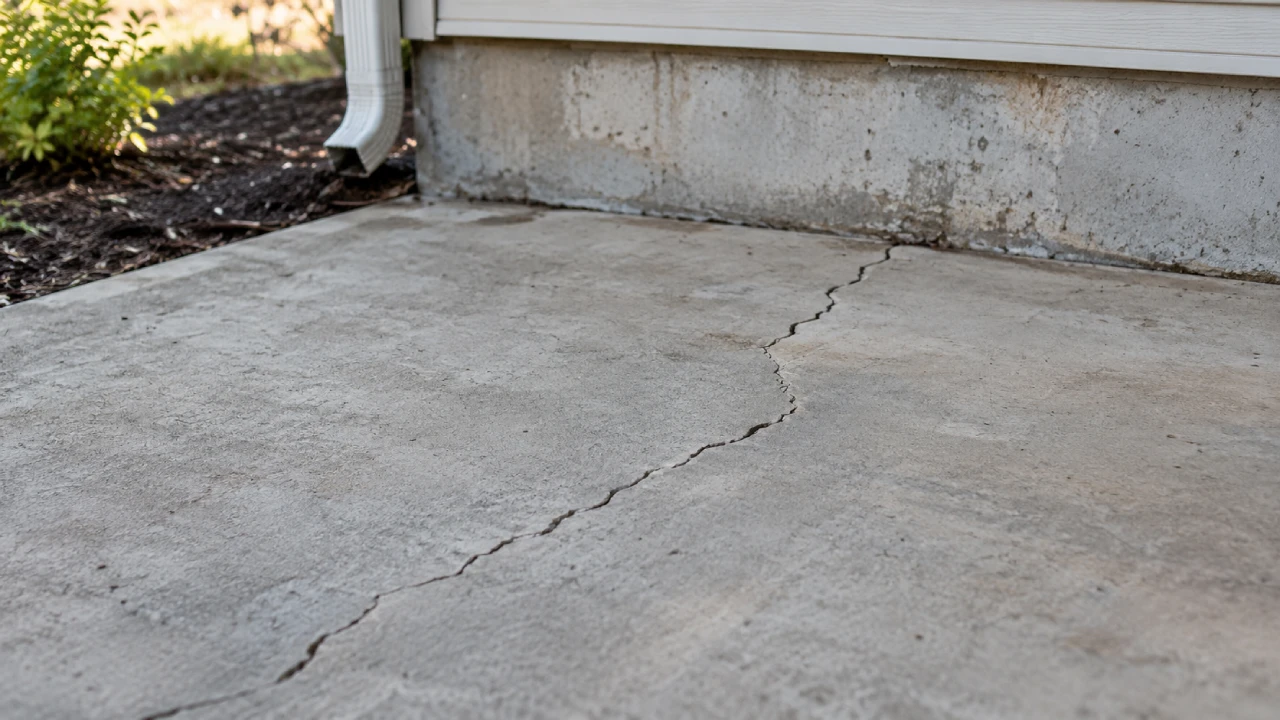
- Cracks and potholes are addressed first, not after
If the surface needs crack sealing and filling or broader pavement repair options, that work comes first. The first rule in how to stripe parking lots that hold up is simple: asphalt striping applied over a failing surface disappears with the surface.
Mistake 2: Skipping a Measured Striping Plan
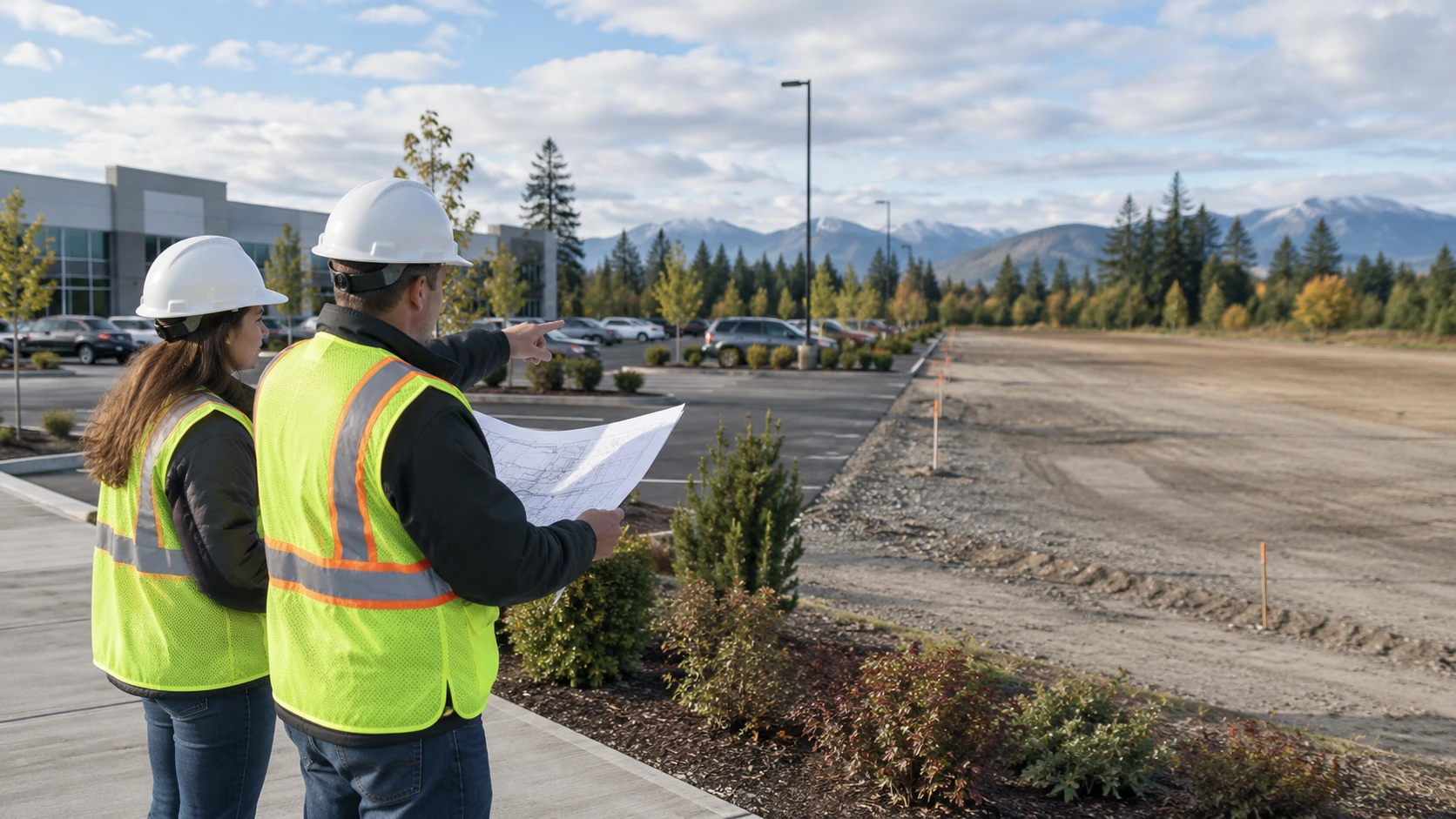
A striping plan is a drawing, not a guess. Before line striping starts, someone should have stall counts, drive aisle widths, accessible stall locations, directional arrows, and fire lane positions worked out and verified in the field.
Shortcuts that cause trouble:
- Treating a faded existing layout as the only reference
- Measuring from a curb that is not square to the building
- Chalking without setting control points first
A reliable parking lot striping layout starts from fixed references: building faces, curb lines, entrances, and works outward. Knowing how to stripe parking lots consistently across a large site depends far more on this step than on paint application speed.
Mistake 3: Guessing at Dimensions and Line Width
There is no single national dimension. Parking lot striping standards come from a mix of local zoning code, fire code, and federal accessibility requirements, and they differ between jurisdictions in King and Pierce counties.
In common practice, standard stalls often fall near a 9-foot by 18-foot footprint, with drive aisle width depending on whether stalls are angled or set at 90 degrees. Parking lot stripe width is frequently specified at 4 inches, though wider markings appear in fire lanes and crosswalks. Treat these as starting points, not rules; the approved site plan and local code govern the final parking lot striping dimensions.
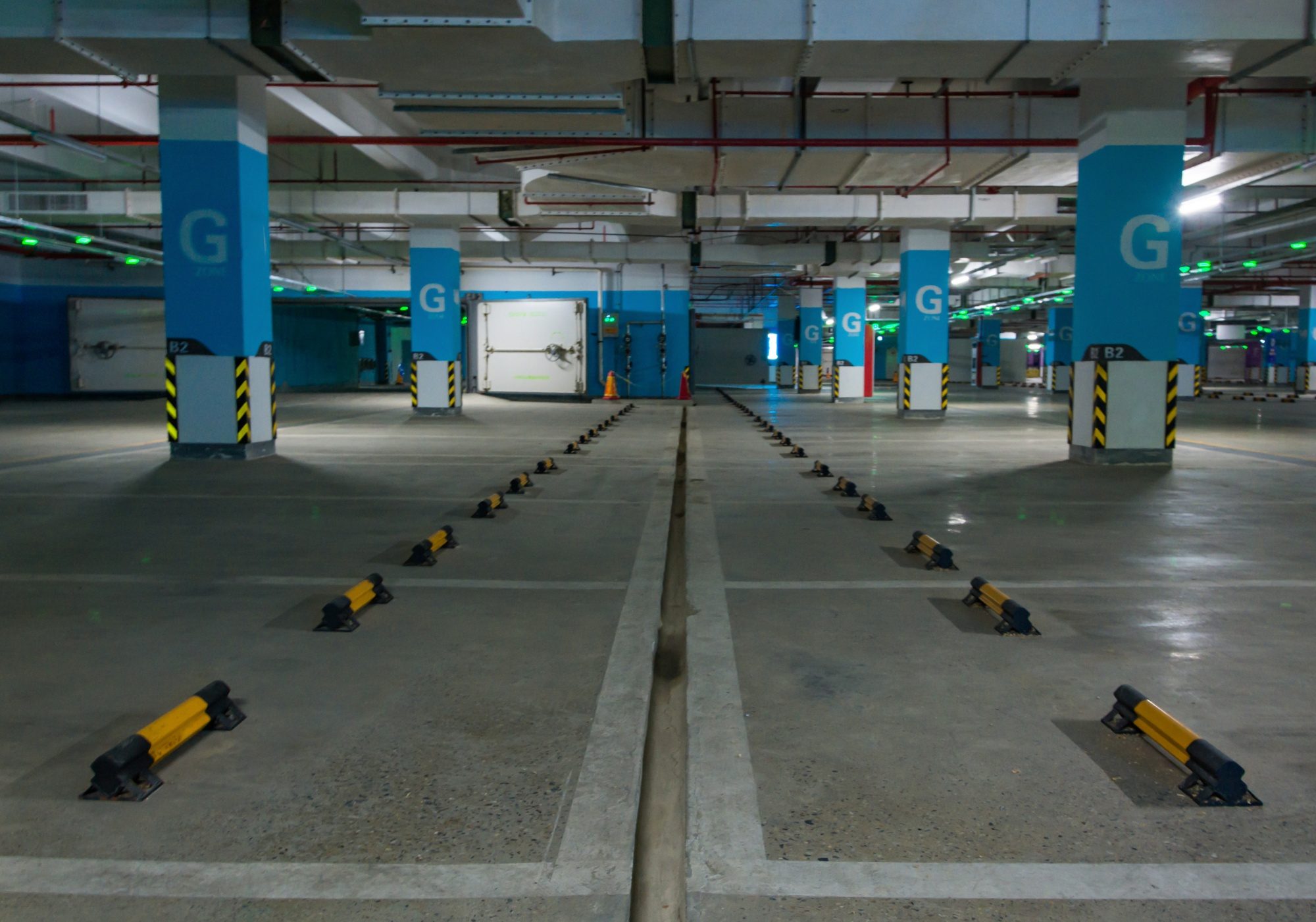
Two details owners miss: enclosed garages and structures follow separate parking lot floor markings requirements, and narrow stalls that technically fit on paper can make parking lot stripes look wrong once real vehicles use them. Crews who know how to stripe parking lots across multiple cities confirm requirements before mobilizing.
What Color Should Parking Lot Lines Be?
White is the most common color for standard stalls in commercial lots. Yellow is widely used for separation, curbs, and no-parking hatching. Blue is reserved for accessible parking, and red typically marks fire lanes, but red and fire lane wording are governed by the local fire authority, so confirm before painting.
Part of how to stripe parking lots correctly is matching color to function rather than preference. Mixed or inconsistent colors send drivers the wrong signal and often trigger comments during inspections.
Mistake 4: Treating Accessible Stalls and Fire Lanes as an Afterthought
Accessible stalls, access aisles, ramps, and the path from stall to entrance are dimension-driven and slope-sensitive. They are not something to fit into leftover space at the end of a layout.
Two things matter here. First, an accessible route depends on the pavement surface and grade, not only on paint; a properly painted stall on a settled, ponding section still does not work. Second, fire lane length and placement follow the approved site plan.
Plan ADA pavement markings early, and verify with your local jurisdiction whether existing conditions still meet current requirements. If grade changes are needed, that becomes a paving or concrete curbing conversation, not a striping one.
Mistake 5: Ignoring Truck Circulation and Loading Zones
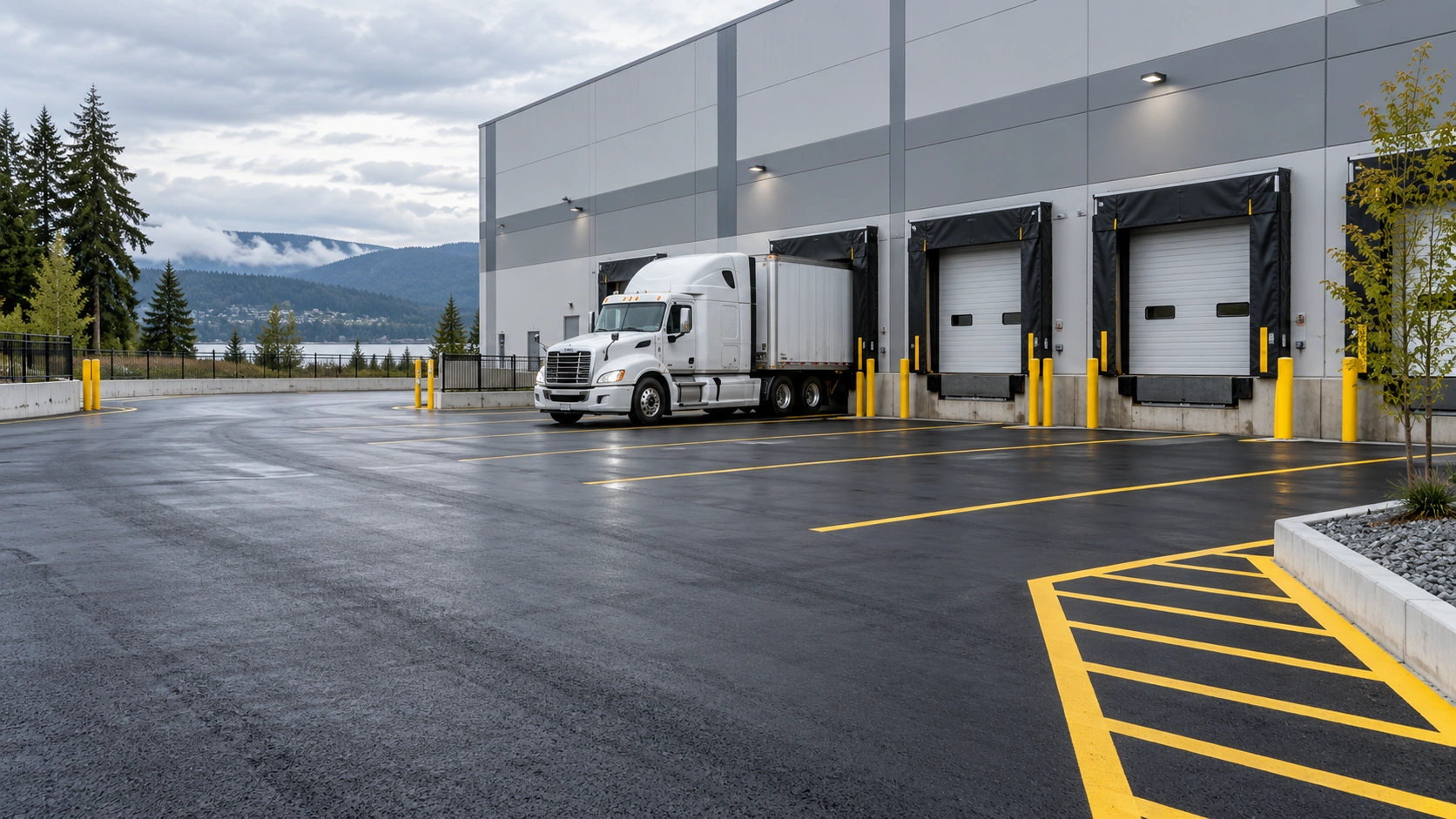
On industrial and retail sites, how to stripe parking lots is really a question of how trucks move. Delivery vehicles need turning room, clear approach paths to docks, and space that stays open during business hours.
Watch for:
- Stalls placed inside a truck’s actual turning path
- Loading zone striping that ignores trailer length or dock angle
- Dumpster approaches with no marked clearance.
Repeated heavy turning also wears markings faster than passenger traffic. Where trucks pivot in the same spot daily, the underlying pavement often needs attention before markings do, sometimes through commercial concrete work at dumpster pads, or through reinforced sections along roadway paving options and main entrances.
Mistake 6: Repainting Over a Layout That Should Be Removed
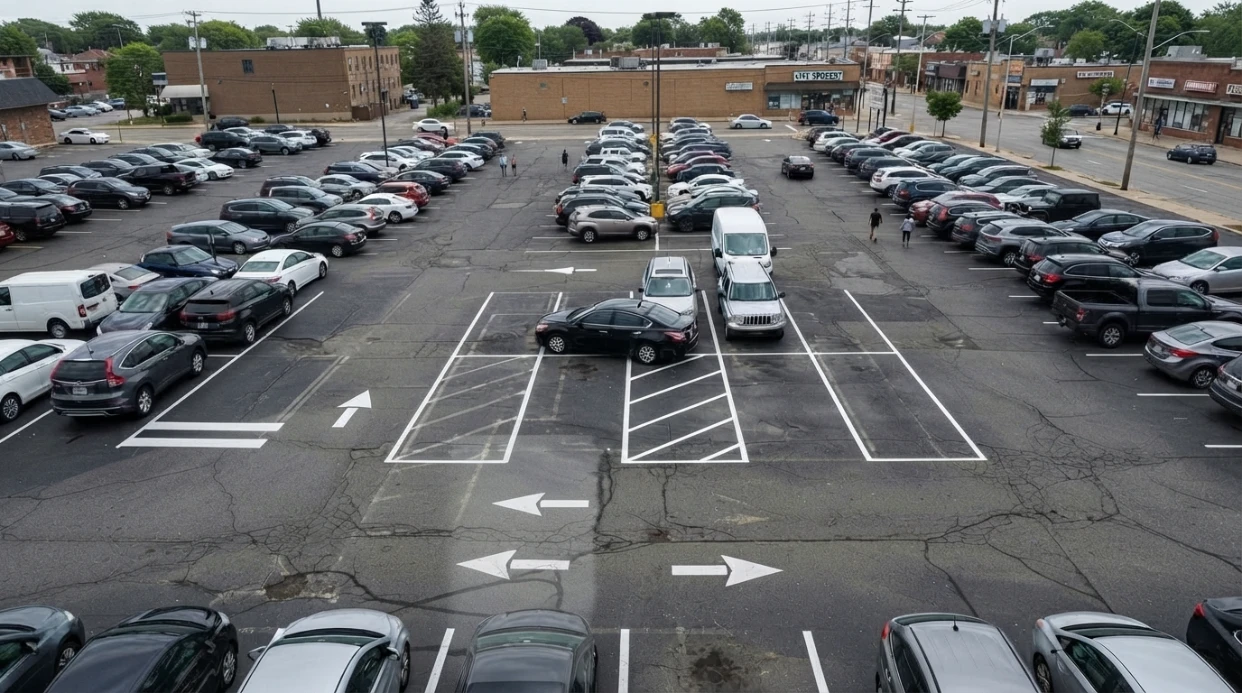
Parking lot restriping works when the existing layout is still correct, and the old lines are faded. It does not work when the layout itself is the problem, or when several generations of paint have built up.
Ghost lines are the usual symptom. Drivers see two layouts at once and split the difference. If a tenant change, a new entrance, or a code update has shifted the design, the right move is to remove parking lot lines rather than layer over them. Grinding, water blasting, and surface treatments each have trade-offs in how much scarring they leave on the asphalt.
How to repaint parking lot lines on an unchanged layout is straightforward. Changing the layout is a different scope, and it is one of the few places where how to stripe parking lots overlaps with pavement maintenance planning, including whether sealcoat application should happen in the same visit.
Mistake 7: Poor Scheduling and Site Access Planning
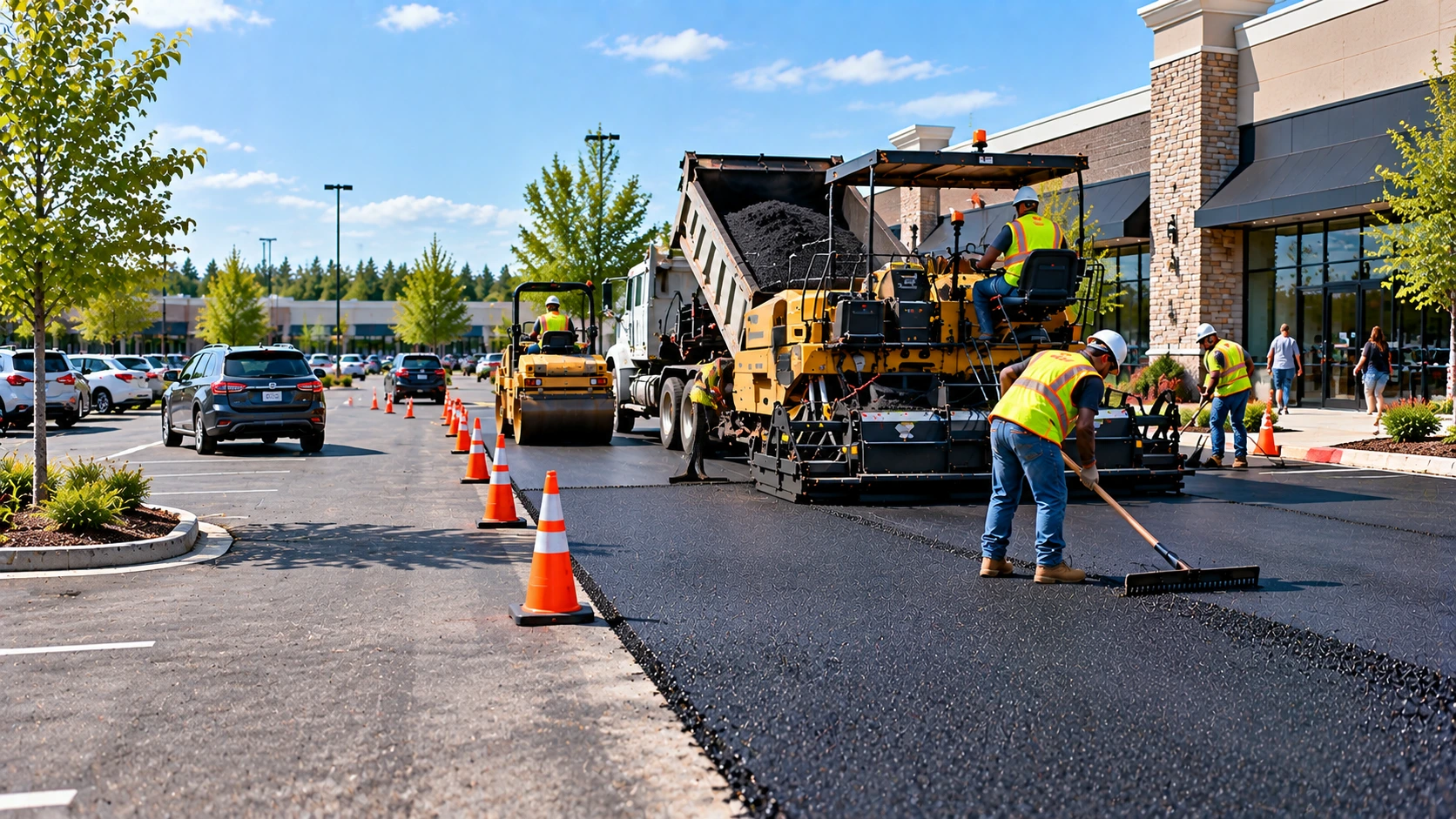
Paint needs dry, reasonably warm conditions, and it needs the lot closed until it sets. In the Puget Sound region, that window narrows considerably from late fall through early spring.
Practical scheduling steps:
- Stripe in phases so tenants and customers keep access
- Confirm cure conditions before reopening sections.
- Coordinate with trash pickup, deliveries, and after-hours use.
Scheduling is a key part of striping parking lots without shutting down a business. Also check drainage before you schedule: stripes sitting in standing water fail early, and that usually points to property drainage improvements or catch basin repair rather than a paint problem.
Restripe, Re-Layout, or Repave First?
| Approach | Best fit | Surface condition | Site downtime | Watch-outs |
| Restripe existing layout | Layout still works, markings faded | Sound surface, minor wear | Lowest often phased | Won’t fix crowding or ghost lines |
| Remove and re-lay out | Tenant change, code update, poor flow | Sound surface | Moderate | Removal can scar asphalt |
| Repair or overlay, then stripe | Cracking, rutting, ponding | Surface or base distress | Highest | Layout must be re-planned after |
The right answer to how to stripe parking lots on your property depends on pavement condition, traffic type, and whether the layout still serves the site. When surface distress is widespread, asphalt resurfacing, overlays, or a full review of parking lot paving options usually come before any marking work. A walkthrough is the fastest way to tell which category you’re in.
Adams Asphalt & Construction has worked on Puget Sound properties since 1971, and the most common finding is simple: the striping question is often really a pavement question. If you’re weighing how to stripe a parking lot that has settled or cracked areas, request a site evaluation before scheduling paint.
Frequently Asked Questions
How long does new asphalt need to cure before striping?
New asphalt needs time for surface oils to weather off before paint will bond well. The wait depends on temperature, sunlight, mix, and how heavily the lot is used; cool, damp Northwest conditions extend it. Rather than working from a fixed number, have the surface checked before scheduling paint. Striping too early often leads to premature peeling and a second visit.
How do you paint parking lot lines evenly on a large lot?
Crews chalk from verified control points, then run a striping machine along the chalk at a steady walking pace. Consistency comes from layout accuracy and machine setup, not speed. Knowing how to paint parking lot lines evenly also means managing overspray, keeping the tip clean, and stopping when the surface picks up moisture.
How wide are parking lot lines usually?
Four inches is the width most commonly used for standard stall markings in commercial lots. Fire lanes, crosswalks, and hatched areas are typically wider. Because how wide are parking lot lines is answered by local code and the approved site plan, confirm the requirement for your jurisdiction before ordering the work.
Can you stripe a parking lot in winter in Western Washington?
Sometimes, but the window is limited. Paint needs a dry surface and adequate temperature to set properly, and short daylight hours make phasing harder. Many property teams schedule striping between late spring and early fall, and use winter for planning, layout review, and repair work.
Does sealcoating have to happen before striping?
Not always, but if both are planned, sealcoating goes first; otherwise, new markings are covered. Sealcoating protects the asphalt surface against oxidation and water intrusion. It does not repair structural damage or base failure, so it should not be used as a substitute for repair work on a deteriorating lot.
Who is responsible for parking lot markings on a leased property?
That depends on the lease. Exterior maintenance often falls to the landlord or is shared through common area charges, while tenant-specific markings may fall to the tenant. Check the lease language before scoping work, especially when a tenant change is driving the layout revision.