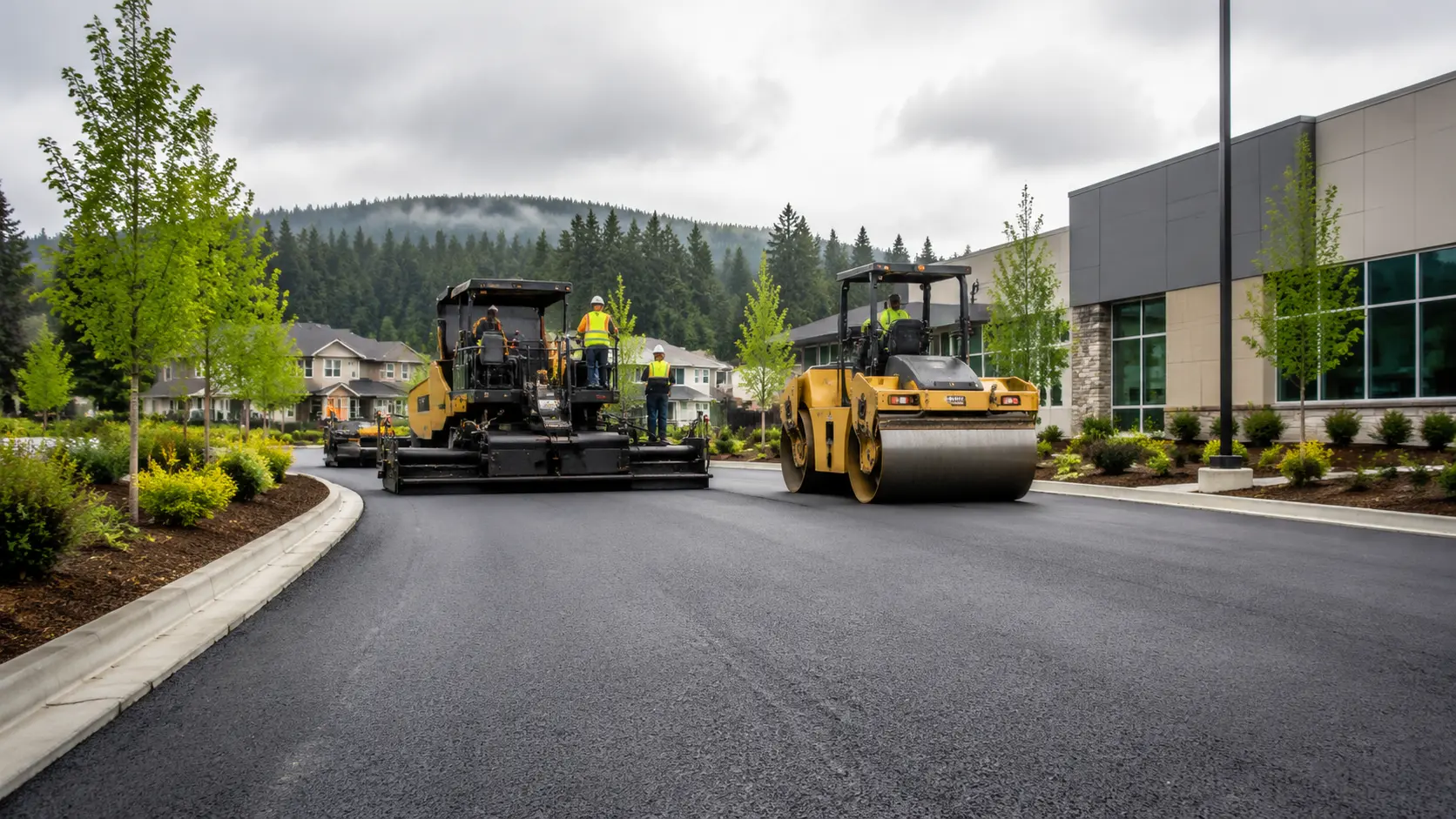
Your parking lot is more than a place for customers and employees to leave their vehicles. It is an important part of your commercial property’s infrastructure. A clean, smooth, properly marked parking area supports safety, accessibility, traffic flow, and a professional appearance.
Unfortunately, parking lots are exposed to constant vehicle traffic, rain, moisture, temperature changes, and general wear. Without proper maintenance, small pavement issues can gradually become major problems.
For property owners and facility managers in Kent, WA, developing a practical parking lot maintenance strategy can help extend pavement life and reduce unnecessary disruption.
Why Parking Lot Maintenance Matters
A parking lot experiences stress every day. Repeated vehicle loads can gradually weaken pavement, while moisture can enter cracks and affect underlying materials.
If deterioration is ignored, the cost and complexity of future repairs may increase. A small crack that could have been addressed through routine maintenance may eventually become a larger structural problem.
Maintenance provides an opportunity to identify and address these issues before they spread.
A complete maintenance strategy may include crack filling, sealcoating, asphalt repairs, resurfacing, drainage improvements, and parking lot striping.
Start With Regular Inspections
The first step in maintaining pavement is understanding its current condition.
Property owners should periodically inspect parking areas for visible signs of deterioration. Look for cracks, potholes, depressions, drainage issues, damaged curbs, faded markings, and areas where water collects.
It is also useful to monitor areas that receive heavy traffic. Entrances, exits, loading zones, delivery routes, and frequently used parking lanes can experience more stress than other sections of the property.
Professional inspections can provide a more detailed assessment and help determine which maintenance services may be appropriate.
Address Cracks Before They Grow
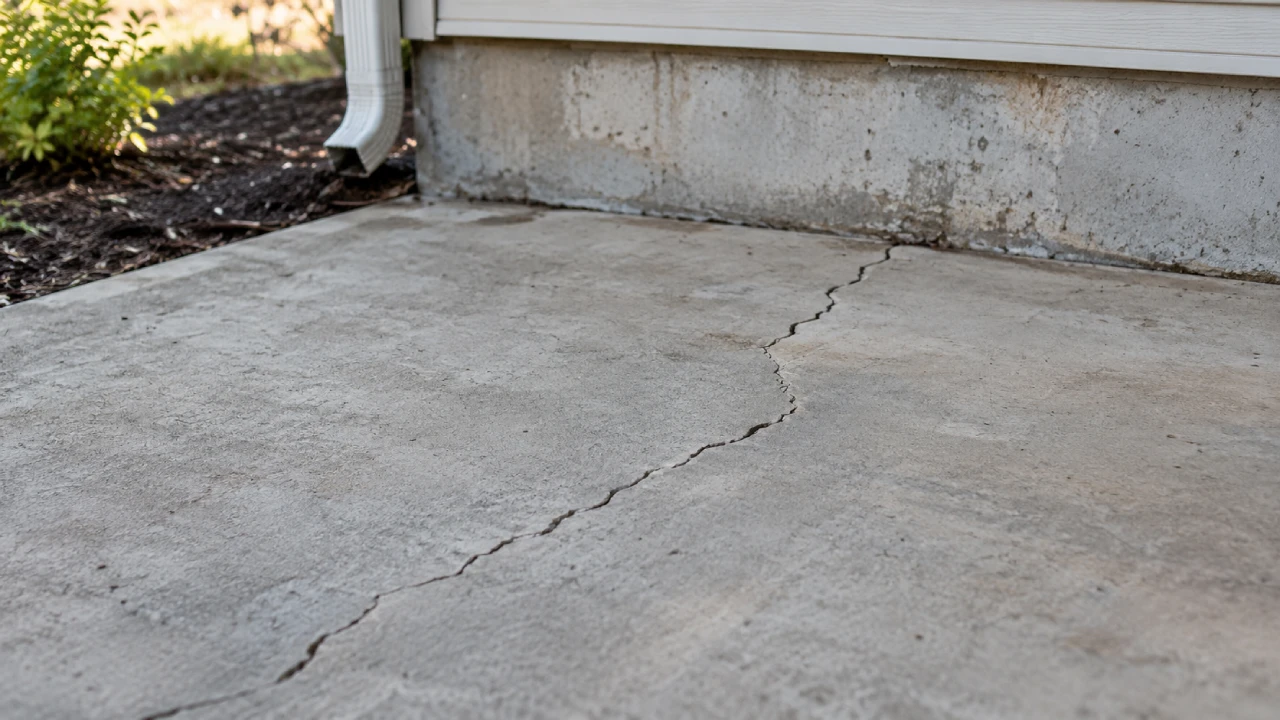
Cracks are among the most common signs of pavement deterioration. While a small crack may appear insignificant, it can create an opening through which moisture enters the pavement structure.
Water can contribute to weakening beneath the surface and may accelerate deterioration.
Crack filling is one maintenance option that can help protect pavement from moisture intrusion. However, not every crack should automatically receive the same treatment. The type, size, location, and cause of the damage should be considered when selecting a repair approach.
Professional evaluation helps determine whether localized crack treatment is enough or whether more extensive pavement work is necessary.
Consider Sealcoating for Pavement Protection
Sealcoating can be an important part of a pavement maintenance program. It creates a protective layer over asphalt and can help maintain the surface’s appearance.
Sealcoating is generally most effective when the underlying pavement is in reasonably good condition. It is not a substitute for repairing significant structural damage.
Before applying a protective coating, existing pavement problems should be evaluated and addressed as appropriate.
A maintenance program that combines repairs with appropriate protective treatments can help keep a parking lot looking cleaner while supporting longer-term pavement performance.
Keep Parking Lot Striping Visible
Parking lot markings help organize vehicle movement and pedestrian activity.
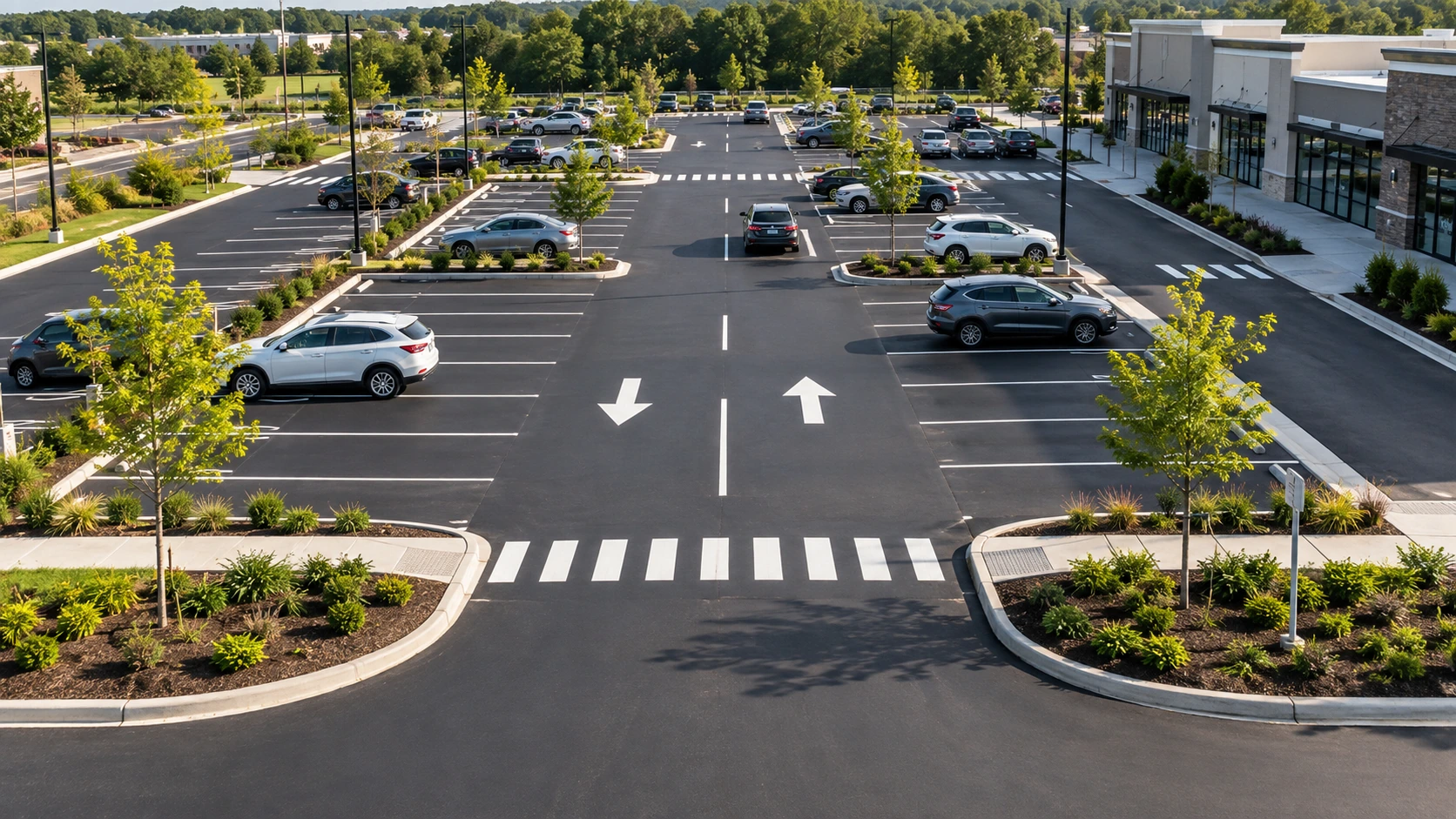
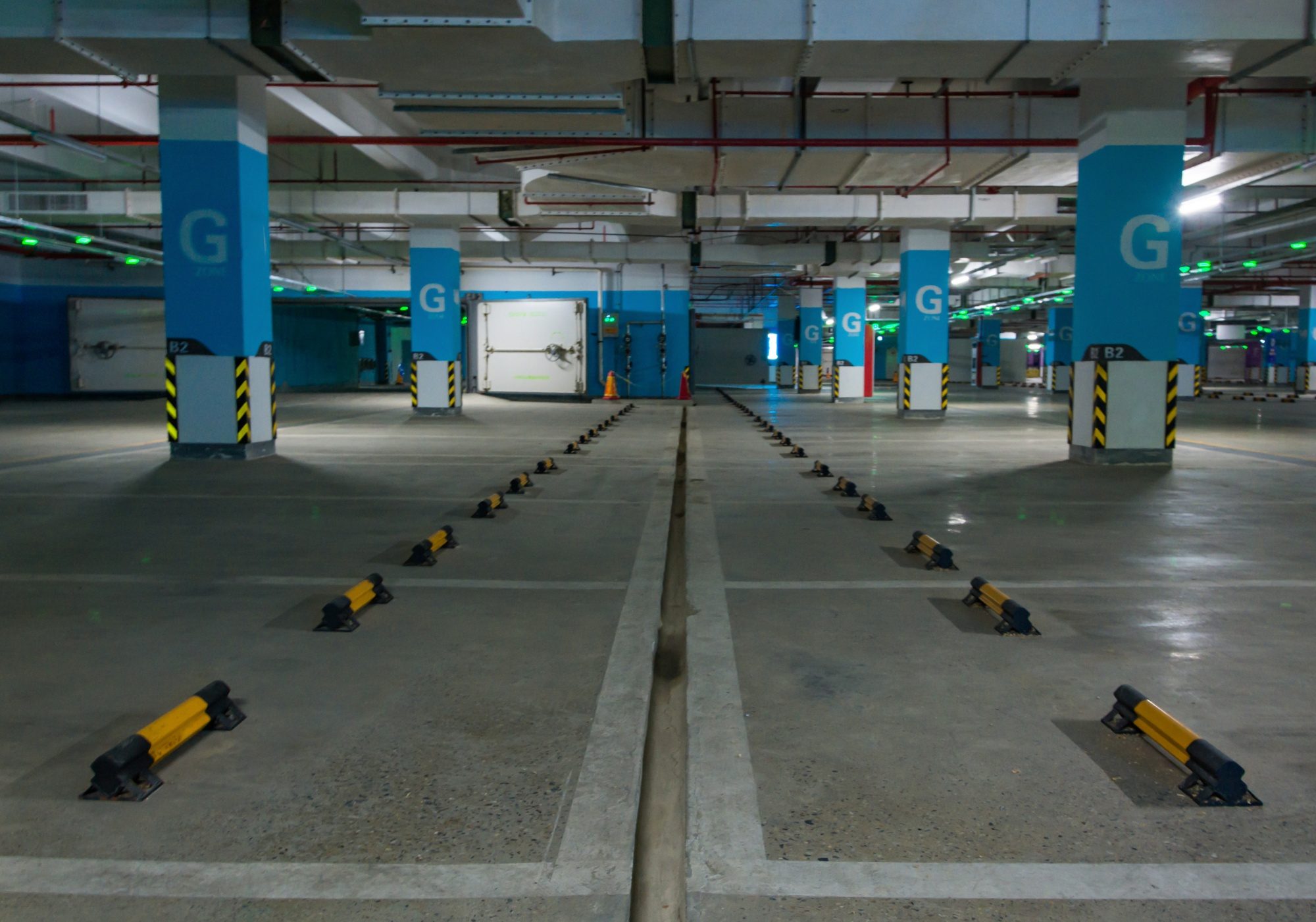
Clearly visible lines can define parking spaces, traffic lanes, loading zones, fire lanes, accessible parking areas, and other designated spaces. Over time, markings can fade because of vehicle traffic and weather exposure.
Refreshing pavement markings can make a parking area easier to understand and navigate.
ADA-related parking features are particularly important. Accessible spaces, access aisles, ramps, and related markings should be maintained so they remain visible and functional.
Do Not Ignore Drainage Problems
A parking lot can look fine from the surface while still experiencing underlying drainage issues.
Standing water after rainfall can be a warning sign. It may indicate grading problems, clogged catch basins, damaged drainage components, or other site conditions.
If water repeatedly collects in the same areas, property owners should consider having the drainage system evaluated.
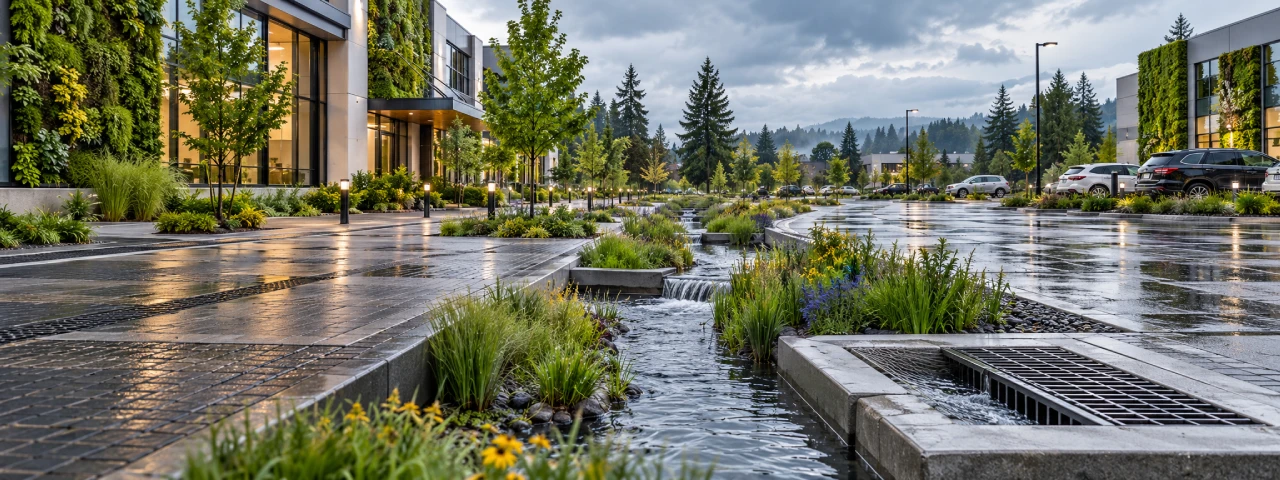
Drainage solutions may include catch basin work, drain repairs, stormwater improvements, grading adjustments, and other water-management measures.
Addressing water problems can be an important part of protecting pavement because excessive moisture can contribute to deterioration.
Know When Repairs Are No Longer Enough
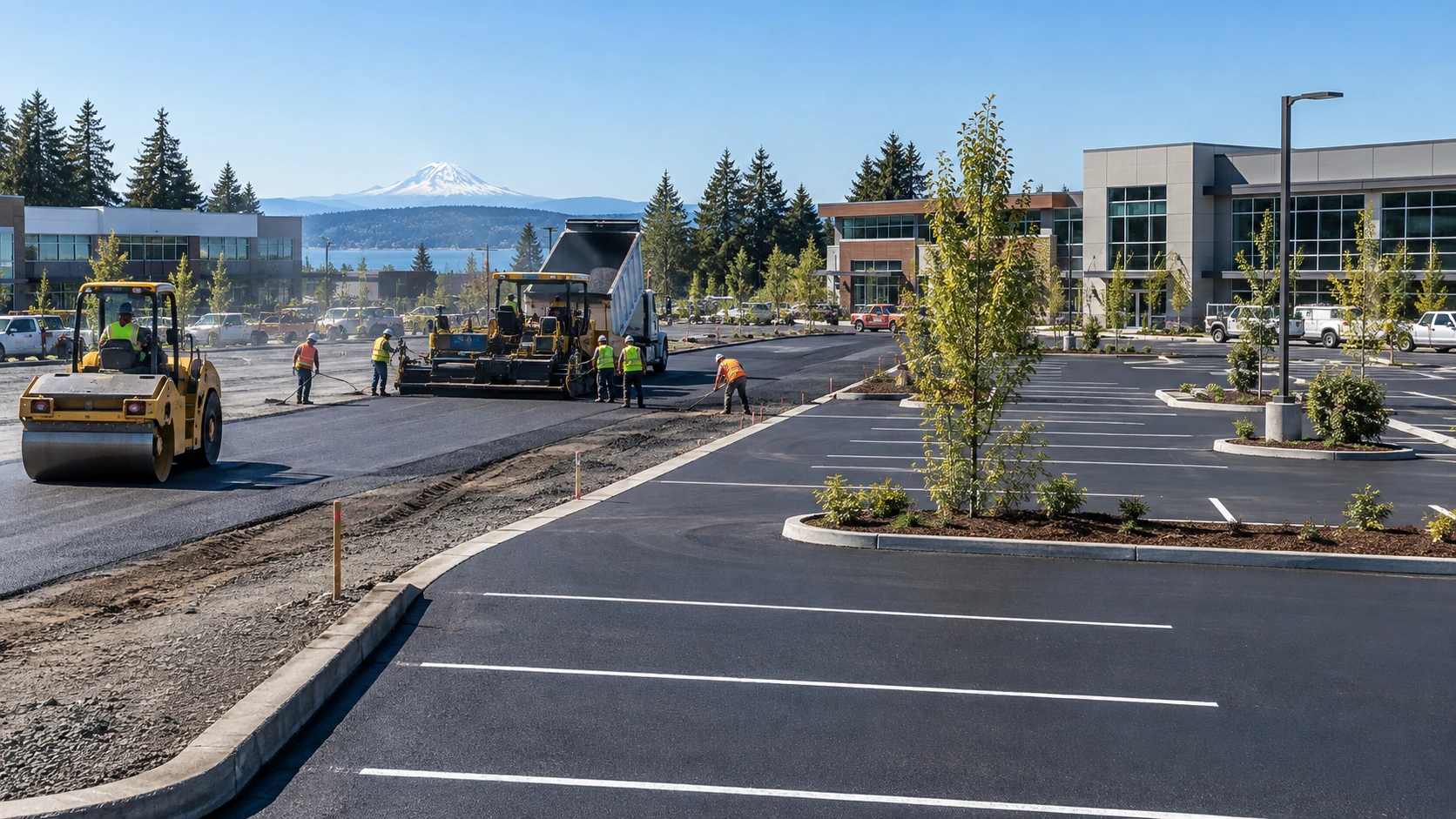
Routine repairs can be effective when damage is localized. However, extensive deterioration may indicate that the pavement needs a more comprehensive solution.
Repeated patching in the same locations, widespread cracking, large potholes, significant settlement, and structural deterioration may indicate that resurfacing or replacement should be considered.
An experienced contractor can evaluate the pavement and help determine whether repair, overlay, resurfacing, or replacement is appropriate.
The goal should not be to perform the most extensive project possible. Instead, the goal is to identify a solution that addresses the actual condition of the property and its expected future use.
Plan Maintenance Around Your Business
Commercial properties cannot always shut down a parking area for construction. Businesses need to consider customers, employees, deliveries, tenants, and daily operations.
A professional contractor should therefore consider scheduling and access when developing a project plan.
Breaking work into phases may be appropriate for some properties. Other projects may require specific scheduling around business hours or operational requirements.
Clear communication before construction can help property managers prepare for temporary access changes and reduce disruption.
Combine Pavement and Site Improvements
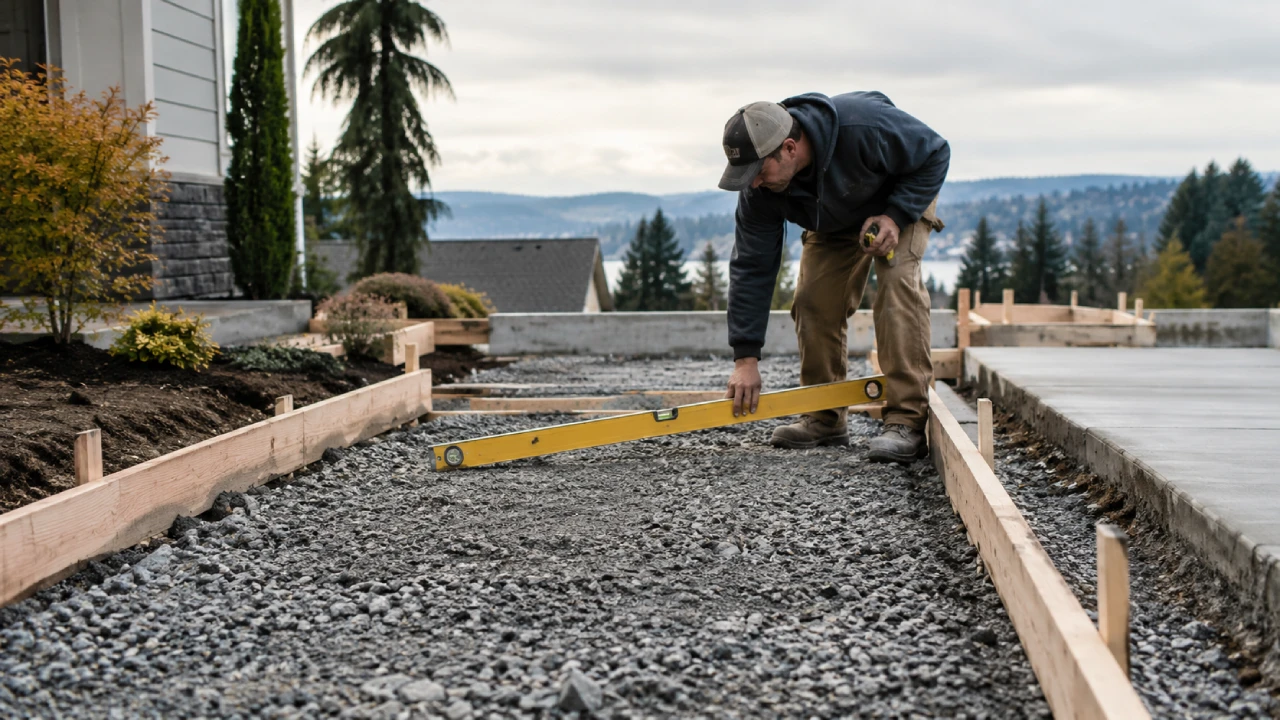
Parking lot maintenance can sometimes reveal other property issues.
For example, pavement repairs may identify drainage problems. Concrete work may be needed around curbs or sidewalks. Accessibility improvements may require adjustments to ramps or parking areas. Striping may need to be updated after resurfacing.
Coordinating these improvements can create a more complete result.
A contractor offering asphalt, concrete, drainage, civil construction, sealcoating, striping, and related property improvements can help simplify project coordination.
Benefits of a Preventive Maintenance Approach
Preventive maintenance is about addressing pavement before problems become severe.
A proactive approach can help property owners:
- Identify deterioration earlier
- Reduce unexpected repair needs
- Maintain a cleaner appearance
- Improve traffic organization
- Support safer pedestrian movement
- Maintain accessible parking areas
- Address drainage concerns
- Extend the useful life of pavement
- Plan budgets more effectively
- Reduce avoidable business disruption
Maintenance does not eliminate pavement deterioration, but it can help property owners manage it more strategically.
Why Experience Matters
Pavement maintenance is not simply about making a surface look better. The condition underneath the surface, drainage, traffic loads, site use, and construction history can all influence performance.
An experienced asphalt and construction contractor can look beyond visible damage and consider the broader condition of the property.
For commercial properties, this broader perspective can be especially valuable because parking areas often connect with sidewalks, curbs, drainage systems, access roads, loading zones, and building entrances.
Build a Long-Term Parking Lot Maintenance Plan
A parking lot should be viewed as an ongoing property investment rather than a one-time construction project.
Regular inspections, timely repairs, protective treatments, clear markings, and drainage management can all contribute to better pavement performance.
When larger problems appear, professional evaluation can help determine the appropriate next step. Planning ahead can also make it easier to schedule construction around business operations.
For properties in Kent and throughout the Greater Puget Sound region, working with an experienced contractor can provide the expertise needed to manage asphalt, concrete, drainage, striping, and related improvements.
Keep Your Parking Lot Ready for Business
A well-maintained parking lot supports your property’s safety, appearance, accessibility, and day-to-day functionality. By addressing pavement issues early and combining maintenance with proper drainage and pavement markings, property owners can protect their investment and create a better experience for customers, employees, tenants, and visitors.
If your parking lot has cracks, potholes, drainage problems, faded markings, or widespread deterioration, now is a good time to schedule a professional evaluation.
Get started with Adams Asphalt & Construction for asphalt paving, parking lot maintenance, sealcoating, striping, concrete, drainage, and site improvement services throughout the Puget Sound region.