A crack in a concrete slab foundation can be harmless surface shrinkage, a sign of movement below the slab, or something that deserves closer evaluation. The crack itself is only one clue. Its location, width, change over time, vertical displacement, moisture conditions, and surrounding symptoms all help determine what may be happening.
For property owners, facility managers, multifamily communities, and homeowners in Kent and the Greater Puget Sound region, the safest approach is to look beyond the line in the concrete. A crack in a concrete slab foundation should be evaluated in context with the soil, drainage, load conditions, and the rest of the structure before deciding whether monitoring, repair, or a more detailed assessment is appropriate.
What Can a Crack in a Concrete Slab Foundation Mean?
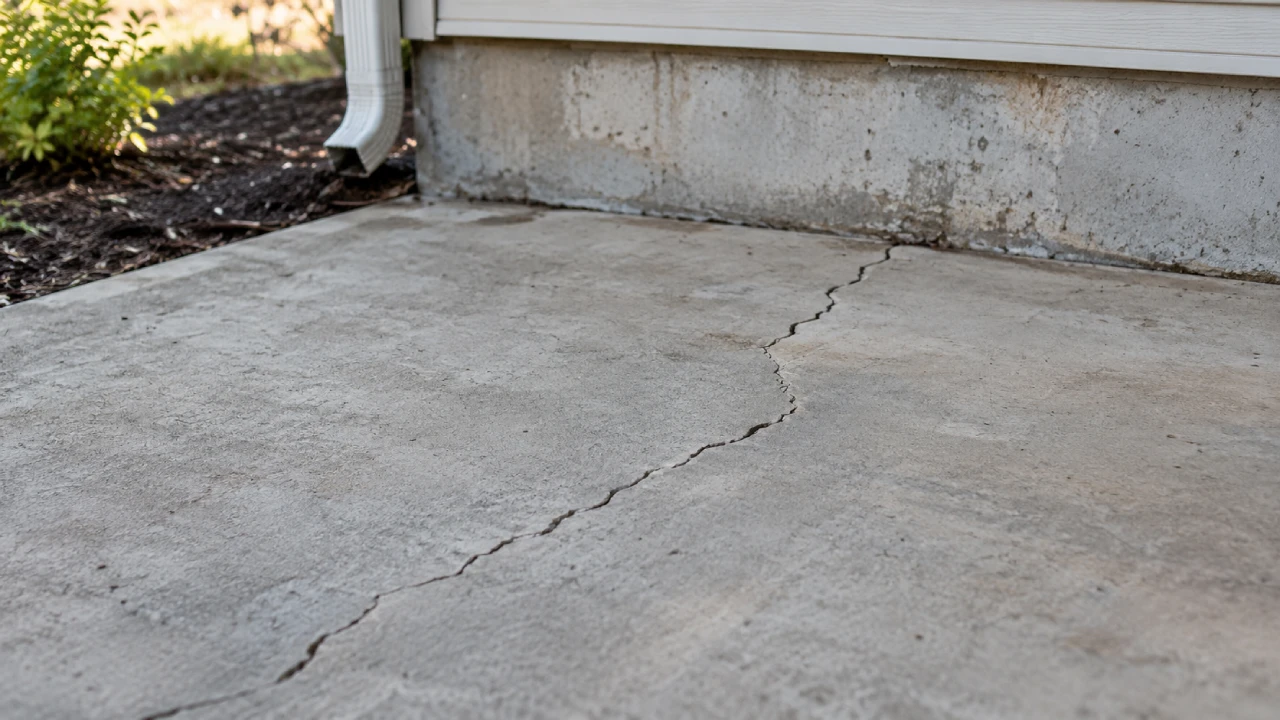
A crack in a concrete slab foundation does not automatically mean the foundation is failing. Concrete naturally changes as it cures and dries, while soil and moisture conditions beneath a slab can also change over time.
The most useful distinction is between a crack caused mainly by normal material movement and one associated with ongoing settlement, loss of support, or differential movement. That is why the question “are foundation cracks normal?” does not have a simple yes-or-no answer. Some cracks are common and stable; others need investigation because of what is happening around them.
A single crack in foundation concrete should not be judged only by appearance. Property owners should also look for movement, recurring moisture, uneven surfaces, gaps at walls or openings, or cracks that continue to widen.
What Causes Foundation Cracks?
If you are asking what causes foundation cracks, the answer usually involves one or more conditions rather than a single universal cause. Common causes of slab foundation cracks include drying shrinkage, changes in moisture, soil movement, inadequate support, settlement, drainage problems, and loads that the slab or supporting soils are not handling uniformly.
Drying Shrinkage and Early-Age Movement
As concrete cures and loses moisture, small cracks can develop as the material shrinks. Shrinkage cracks in foundation slabs are often narrow and may remain stable, but appearance alone is not enough to confirm that a crack is harmless.
A hairline crack in foundation concrete may simply reflect shrinkage, yet it should still be observed if it is new, changing, or associated with other movement.
Soil Settlement and Loss of Support
Foundation settling cracks may develop when the soil or supporting material below different parts of the slab moves unevenly. Soft spots, poorly compacted fill, erosion, changing moisture conditions, or loss of support can contribute to differential settlement.
This matters because a crack in a concrete slab foundation can be the visible symptom of a problem that is actually below the concrete.
Drainage and Moisture Changes
Water can alter the behavior of soil around and beneath a slab. Poor grading, concentrated runoff, leaking drainage systems, or persistent saturation may contribute to erosion, softening, or changing support conditions.
In the Puget Sound region, where rainfall is a regular site consideration, drainage should be reviewed as part of the overall property condition rather than treated as a separate issue. A slab crack near recurring ponding or drainage problems deserves a closer look at both the concrete and the surrounding site.
Structural vs Non-Structural Foundation Cracks
Non-structural foundation cracks are generally associated with limited material movement and do not, by themselves, show that the foundation has lost its ability to perform. Structural foundation cracks are more concerning when they are associated with displacement, continuing movement, significant settlement, or other signs that the foundation system may not be behaving uniformly.
The important point is that the label should not be assigned from a photo or crack direction alone. A qualified evaluation may consider crack geometry, elevation changes, site drainage, soil conditions, load paths, and whether the crack is active.
A crack in a concrete slab foundation that is wider on one side, shows vertical offset, or is accompanied by movement elsewhere should be treated differently from a small, stable surface crack.
What Are Acceptable Cracks in Concrete Slab Areas?
There is no universal crack size that can be called safe for every property. Searches for acceptable cracks in concrete slab surfaces often assume there is one number that separates harmless from serious, but real conditions are more complex.
The age of the concrete, crack pattern, location, movement, exposure to water, type of slab, and surrounding symptoms all matter. Some concrete slab cracks remain stable for years, while others change because the underlying support is moving.
For that reason, a crack in a concrete slab foundation should be monitored for change rather than judged only by its initial width.
Foundation Cracks: When to Worry- Warning Signs That Matter
Foundation cracks: when to worry becomes a more useful question when you focus on change and surrounding symptoms instead of the crack alone.
Warning signs that justify professional evaluation can include:
- A crack that keeps widening or lengthening
- Noticeable vertical displacement across the crack
- Multiple cracks appearing in a concentrated area
- Recurring settlement or a visibly uneven slab
- Doors or openings becoming noticeably misaligned
- Separation between the slab and adjoining structural elements
- Persistent water intrusion or drainage problems near the affected area
- New cracking after a significant site or drainage change
These signs do not prove structural failure, but they increase the value of a closer inspection.
If a crack in a concrete slab foundation is changing quickly or appears with significant movement, avoid relying on cosmetic patching alone. The cause should be understood before a repair approach is selected.
What Do Bad Foundation Cracks Look Like?
Bad foundation cracks are not defined by one shape or direction. More concerning conditions usually involve movement, displacement, progression, or related distress elsewhere in the structure.
For example, a crack that has a noticeable height difference from one side to the other may indicate differential movement. A widening crack combined with settlement, drainage issues, or other structural symptoms deserves more attention than a narrow, stable line with no surrounding distress.
This is also why cracks in foundation slab areas should be documented with photos and dates if the cause is not immediately clear. Monitoring helps establish whether the condition is stable or active.
Cracks in Slab Foundation: When to Worry About Settlement
Cracks in slab foundation: when to worry is especially relevant when settlement is visible. If one portion of the slab appears lower than another, the issue may involve soil support, erosion, compaction, or another site condition beneath the concrete.
A crack in a concrete slab foundation associated with settlement should not be treated as a surface-only problem until the support conditions are evaluated. Filling the crack may improve appearance or limit water entry in some cases, but it does not correct a moving or unsupported base.
For properties with recurring settlement, AAC can help evaluate relevant concrete, grading, drainage, or site-work conditions within its verified construction scope. Where structural engineering judgment is required, the property owner should involve an appropriately qualified professional.
Can Poor Base Preparation Contribute to Foundation Cracking?
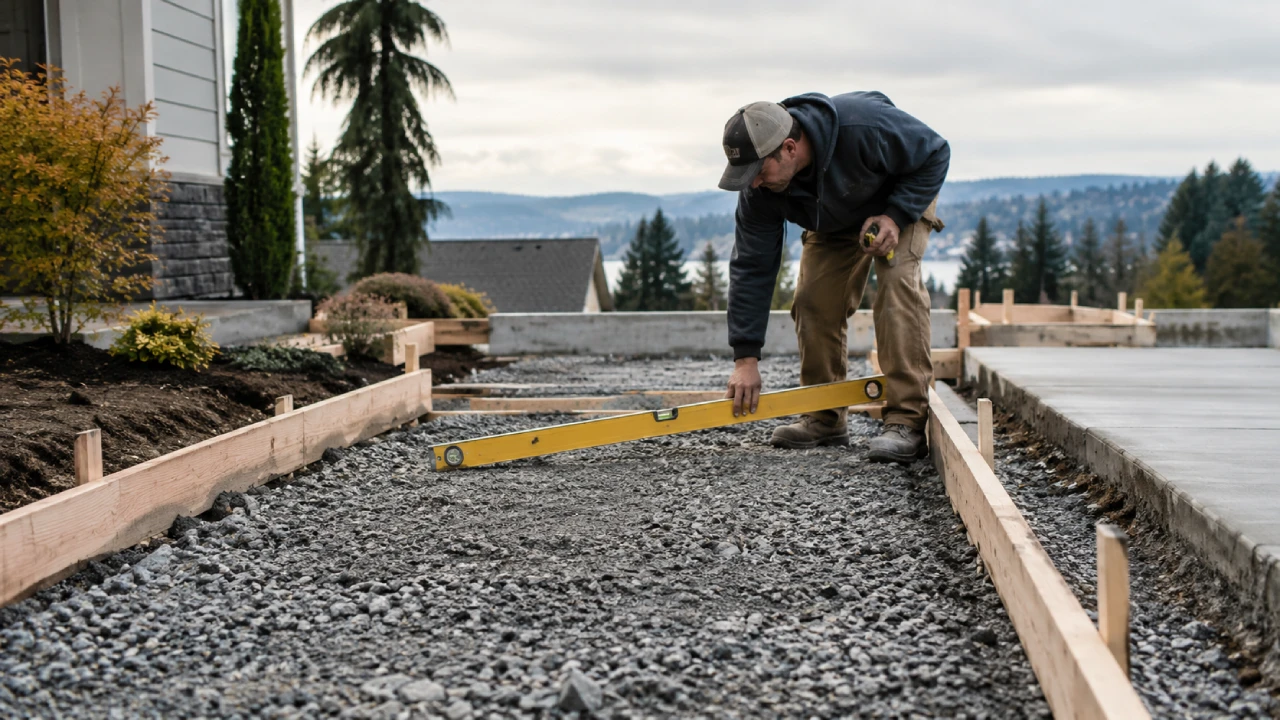
Yes. Concrete depends on consistent support. If the subgrade or fill beneath a slab is loose, soft, poorly compacted, eroded, or inconsistent, different portions of the slab can move differently under load or changing moisture conditions.
Concrete slab foundation cracks may therefore reflect more than the strength of the concrete itself. Base preparation, drainage services, soil support, reinforcement, joints, and slab design services all contribute to long-term performance.
A slab crack caused by support problems is a good example of why diagnosis matters before choosing between monitoring, localized repair, or more extensive work.
When Should You Take Action?
Take action when a crack is changing, associated with movement, allowing recurring moisture intrusion, creating a trip or operational concern, or appearing alongside other signs of settlement.
A practical response is:
- Document the crack location, length, and visible condition.
- Note any nearby drainage, grading, or settlement issues.
- Watch for change rather than repeatedly covering the symptom.
- Request a professional evaluation when the crack is progressing, or the cause is unclear.
- If structural performance is in question, involve a qualified structural professional.
A crack in a concrete slab foundation does not always require major work, but delaying evaluation when movement is active can make it harder to understand the original cause.
Adams Asphalt & Construction has served Kent and the Greater Puget Sound region since 1971. AAC’s concrete, civil site work, grading, and drainage capabilities can help property owners understand site-related conditions that may be contributing to concrete performance while keeping engineering conclusions within the appropriate professional scope.
Frequently Asked Questions
Are all foundation cracks serious?
No. Some cracks result from normal shrinkage or limited movement and may remain stable. The more important questions are whether the crack is changing, whether there is vertical displacement, and whether settlement, moisture, or other symptoms are present.
Can a foundation crack get worse over time?
Yes, if the underlying condition continues. Ongoing soil movement, drainage problems, erosion, or loss of support can cause a crack to widen or new cracks to develop. Stable shrinkage cracks may not change significantly.
Should I repair a crack as soon as I see it?
Not always. Before choosing a repair, determine whether the crack is stable and whether the cause is surface-related or linked to movement below the slab. Cosmetic repair without diagnosis can hide a condition that is still active.
Does drainage really affect slab foundations?
It can. Concentrated runoff, poor grading, or persistent saturation can change soil support and contribute to movement in some site conditions. Drainage should be evaluated with the rest of the property when cracking and settlement occur together.
When should a structural professional be involved?
A qualified structural professional is appropriate when there is significant displacement, continuing movement, widespread distress, uncertainty about structural performance, or when project decisions require engineering judgment.
Can a cracked slab always be repaired?
No single repair method fits every condition. The appropriate response depends on the cause, severity, movement, support conditions, drainage, and the role of the slab. Some situations may need monitoring, some localized repair, and others more extensive corrective work.